The day starts a little turbulently.
Yesterday, as you might understand, I couldn't really write very much.
That day wasn't meant for writing.
It was meant for listening.
Today, though, I had planned to stay one more night and use the whole day in peace.
Skarat seemed perfect.
But once again, Wangchuk reminds me that life has other plans.
There is no peace.
So I decide to leave.
Wangchuk has to go to a nearby village anyway, so he can drop me at a junction.
The car ride itself is hilarious.
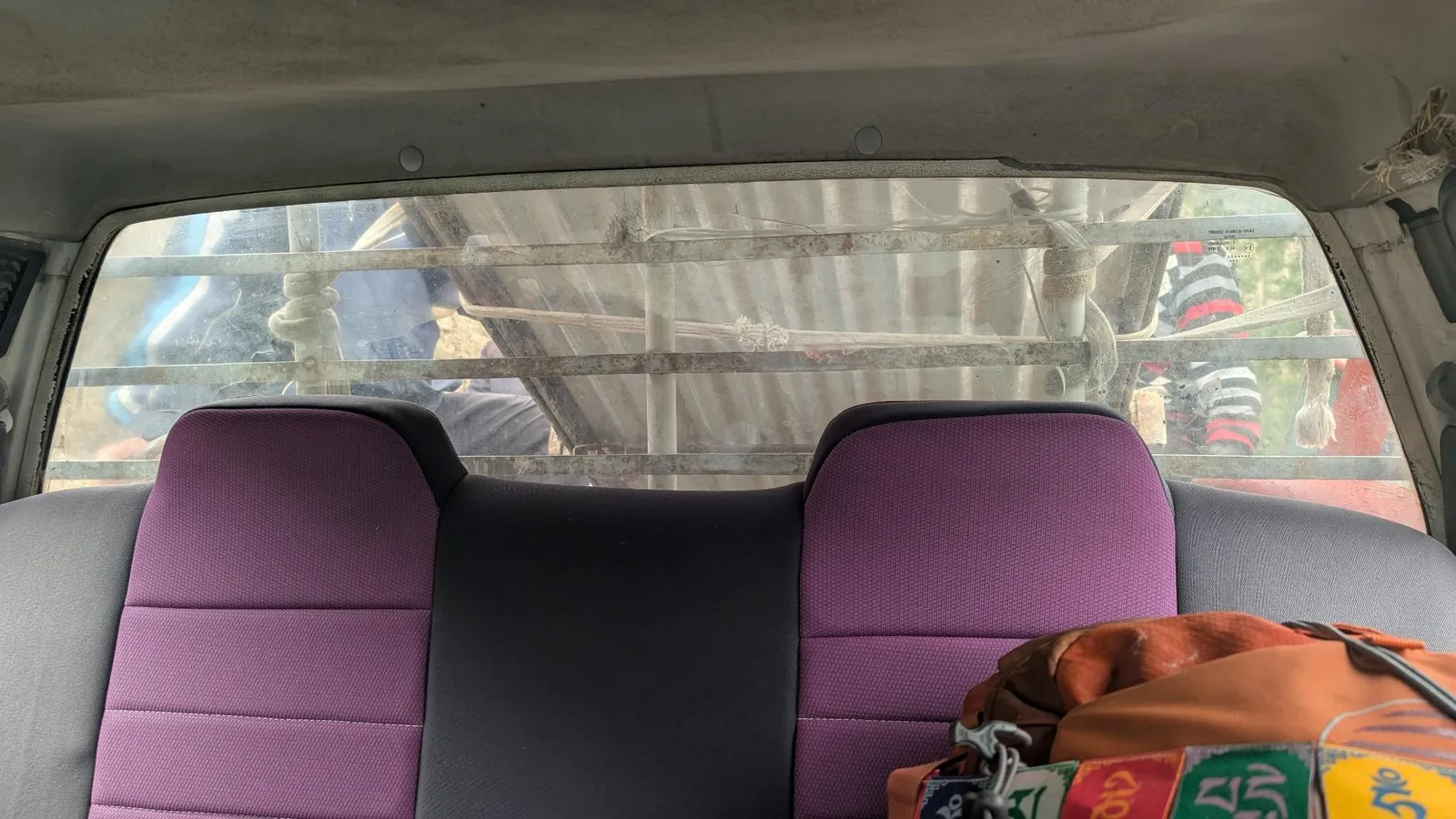
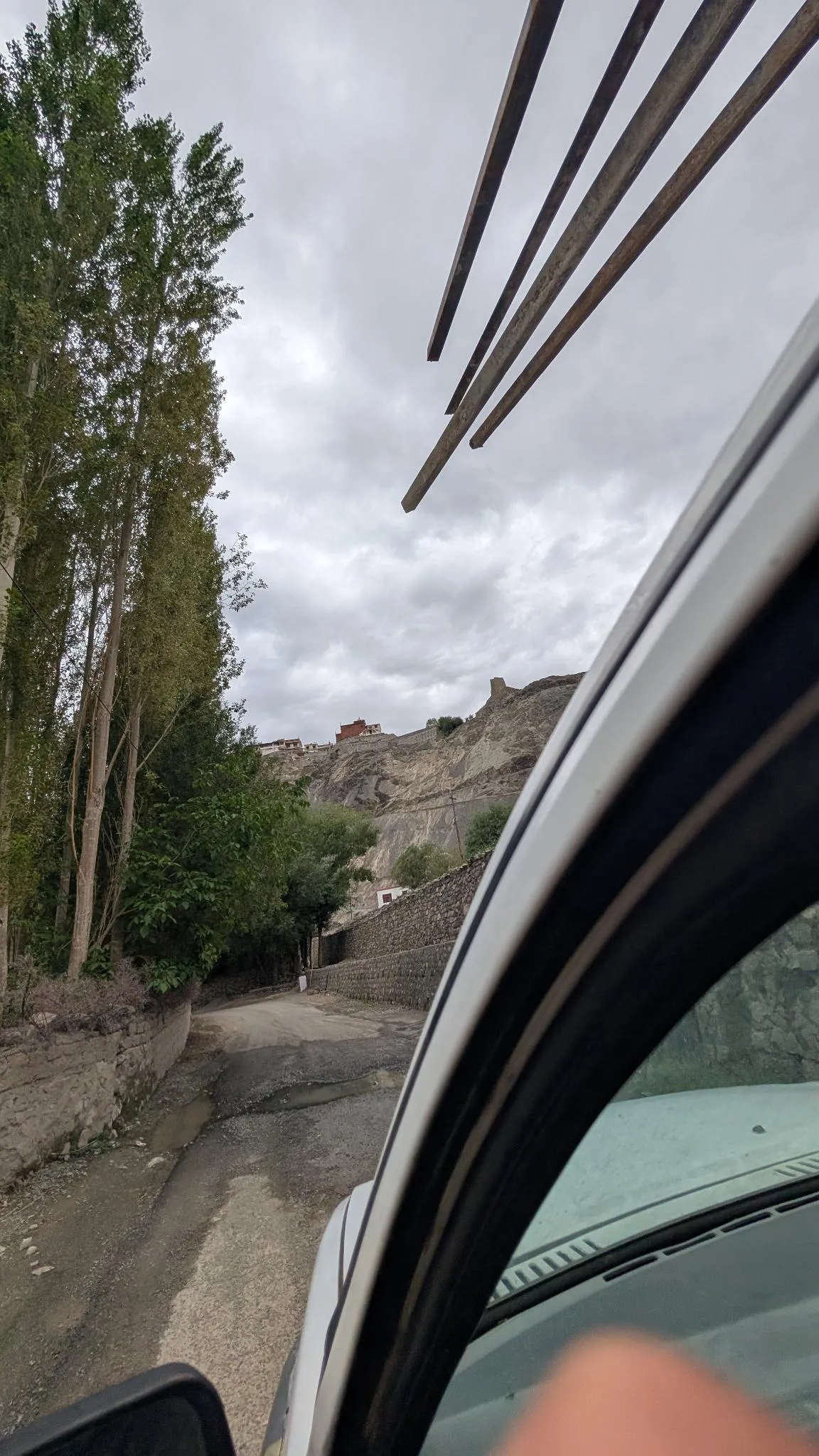
We sit there like horsemen carrying lances.
Except our lances are metal rods.
And on top of that, another five or six people hop onto the back of the pickup.
Seatbelts?
Absolutely.
Proper load securing?
Of course.
TÜV certified.
For sure.
Before we part, Wangchuk gives me one more address.
A place I should visit if I want to see how Ladakhis really used to live.
Because according to him, many Ladakhis in this region aren't really living the “authentic Ladakhi” way anymore.
Hot showers.
Nice bathrooms.
Modern clothes.
Different food.
The culture is opening up.
The place, which is supposed to not follow those trends, is called:
Tar.
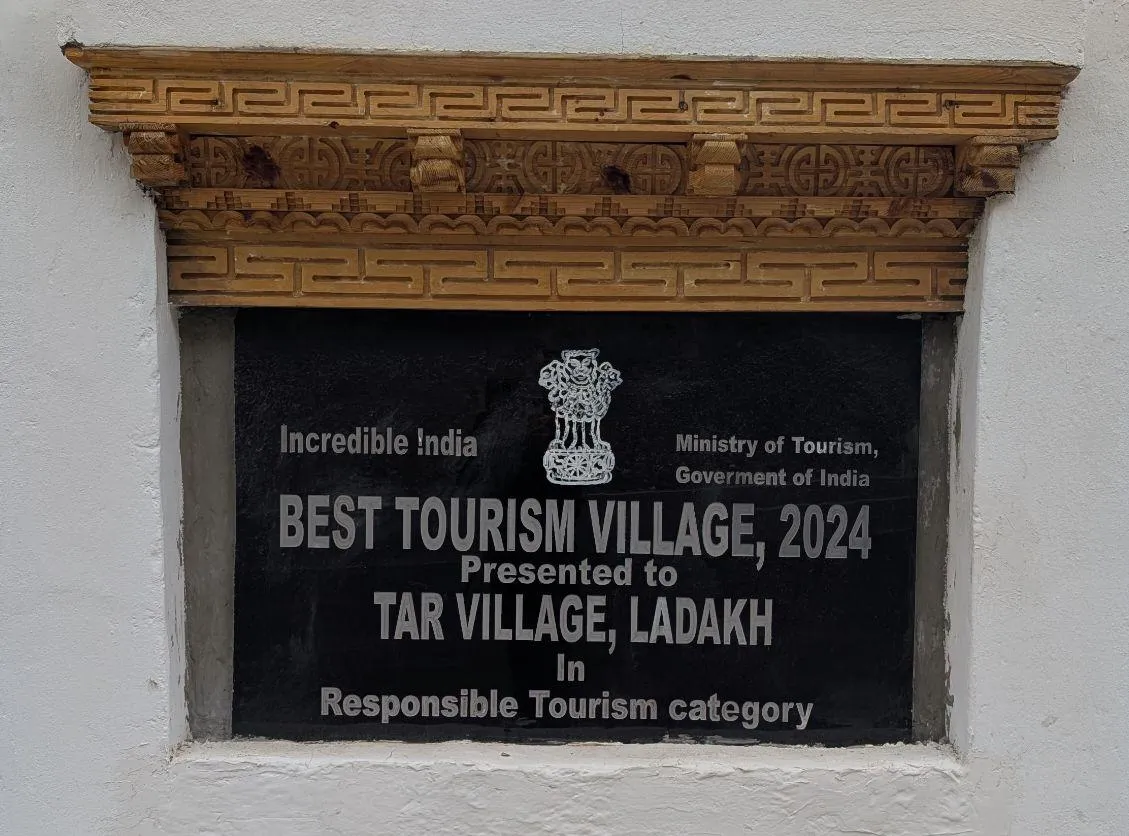
In 2024 awarded with the title of best tourism village in all of India.
That's quite an achievement.
And naturally, sets quite an expectation.
Something to look forward to during the three- or four-hour hike leading there.
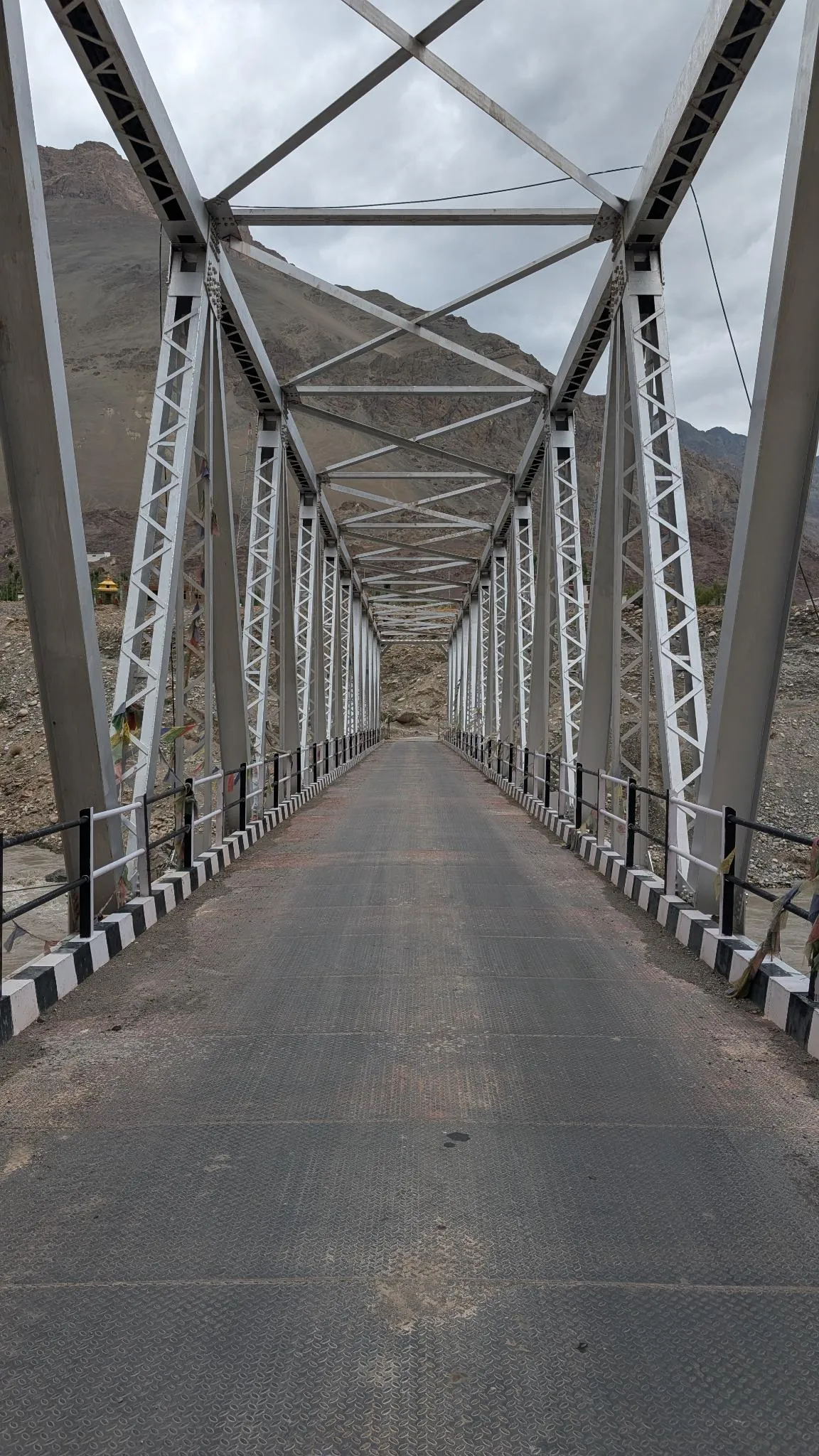
I start at a bridge.
A proper one.
How long it will last?
Who knows.
For my part, I still need to rebuild a bit of trust in bridges.
What doesn't exactly help is the river below me.
It is raging.
Water coming down from thousands of meters of altitude difference, rushing through the valley with enormous force.
You really do not want to end up in there.
But:
The bridge holds.
Good start.
One thing about Tar:
Old Tar is not fully accessible by car.
In the past, the whole route up was apparently a beautiful hiking trail.
Today, roughly 90 percent of it has become a road.
Old Tar is so remote that the village is slowly shifting from deep inside the mountains toward the river, where direct road access is possible.
That is why there is now, in a way, a new Tar and an old Tar.
The landscape on the way up is surreal.
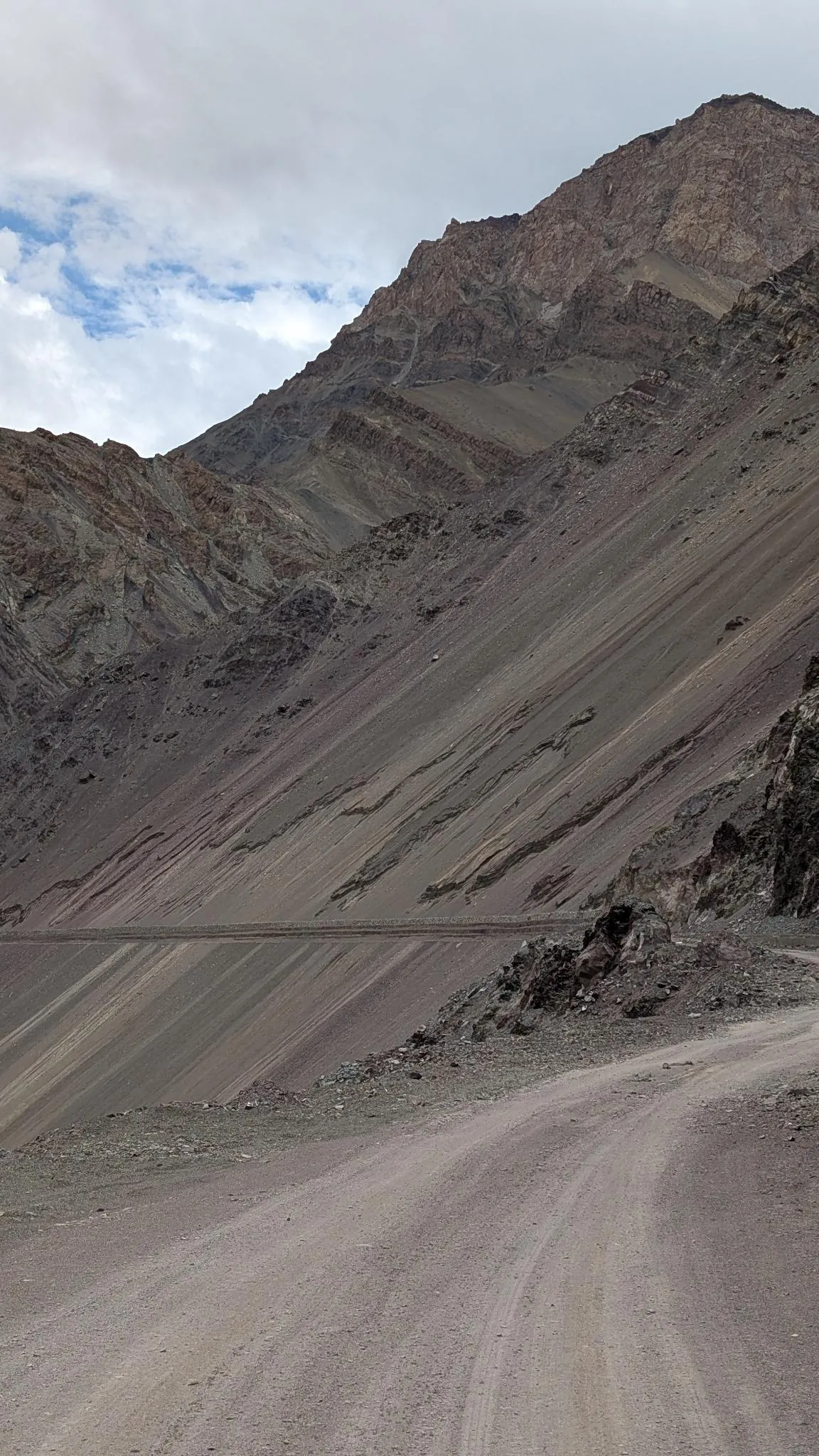
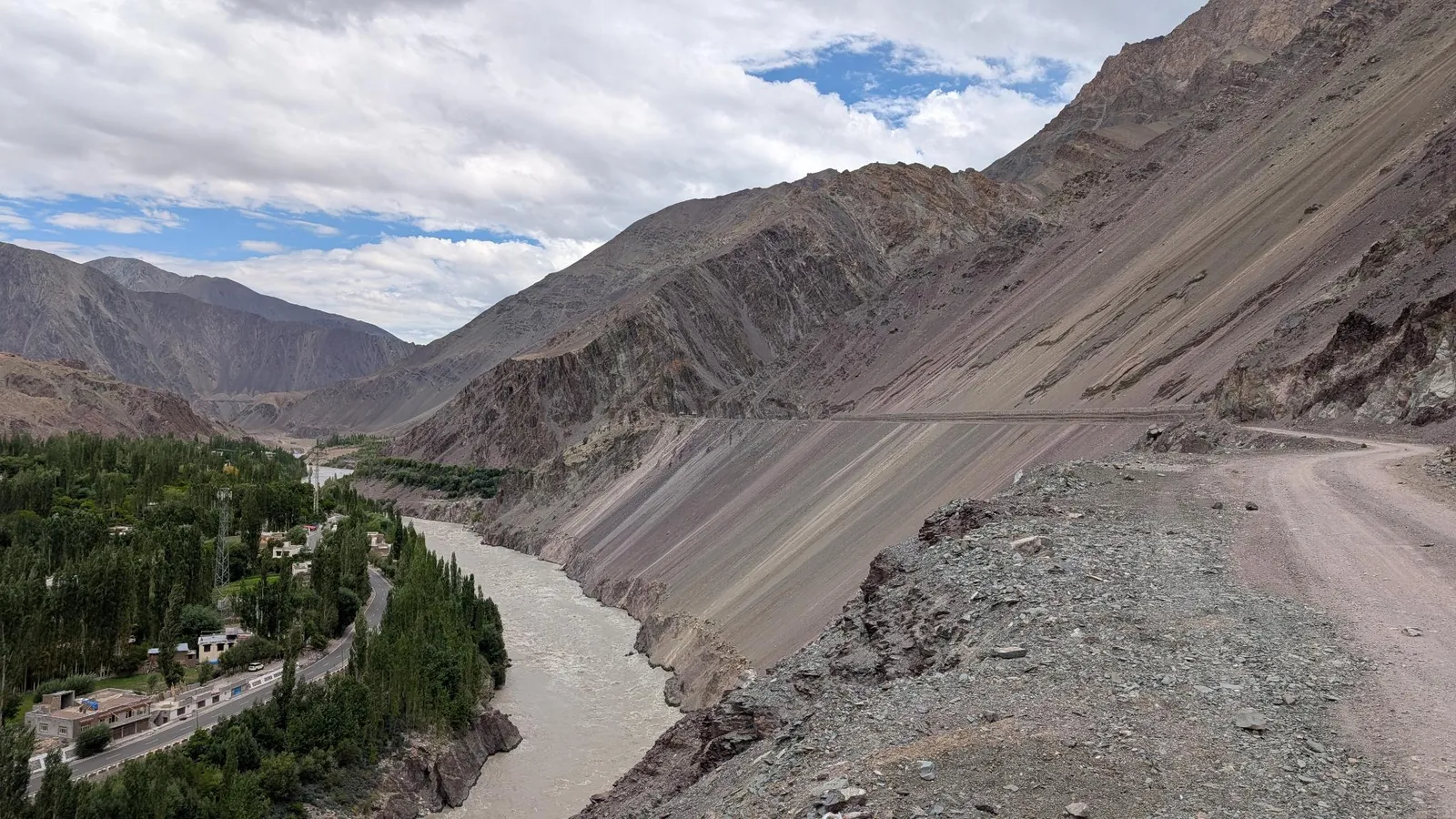
Near the beginning, I still find pieces of the old hiking trail.
Just imagine the whole route once looking like this.
Now only about twenty minutes of it remain.
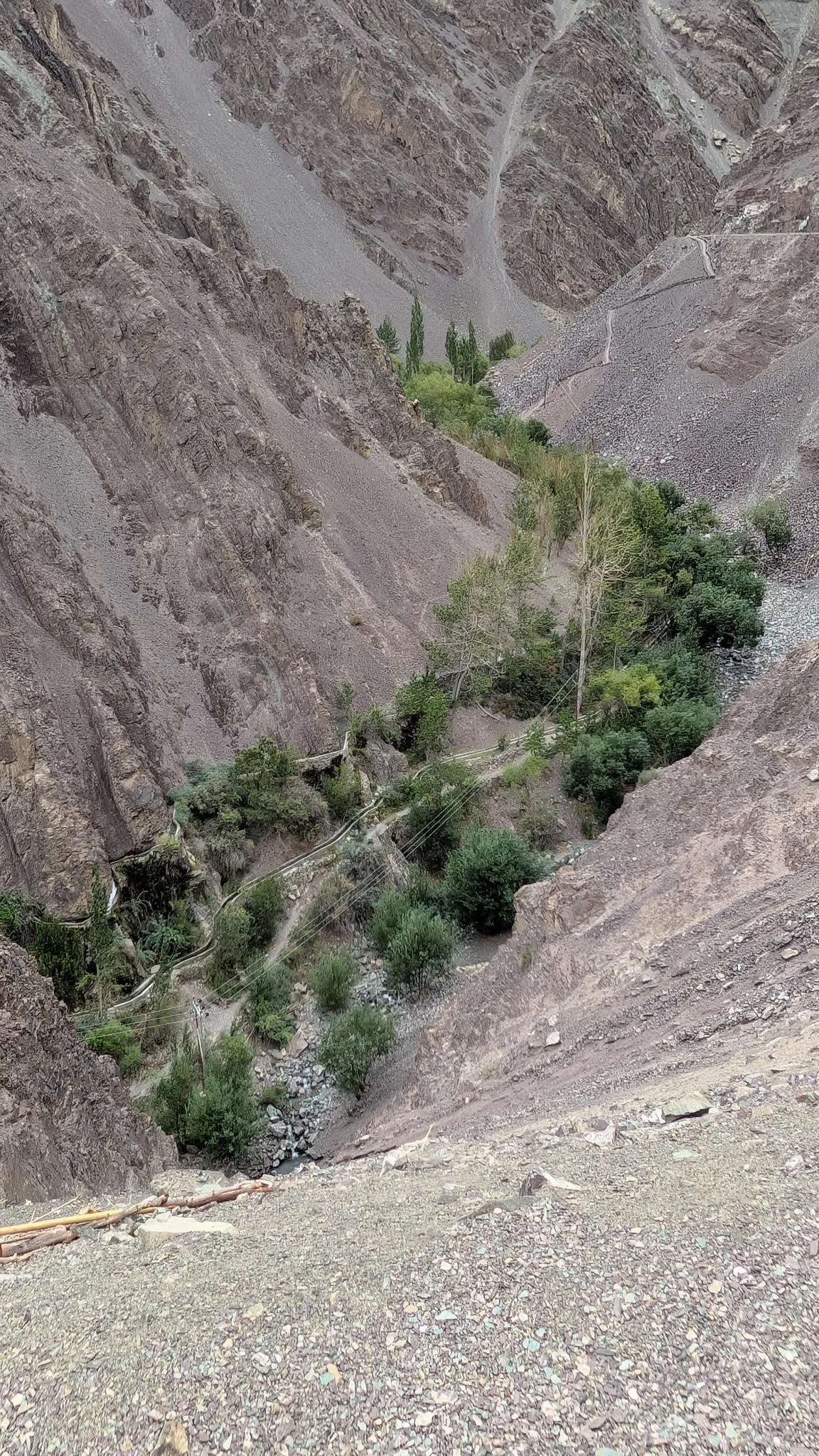
I am not entirely unhappy about having a road, though.
Dark clouds accompany me the whole way.
I expect rain at any moment.
And during heavy rain, this is not the kind of valley you want to be trapped inside.
Cloudbursts can become incredibly dangerous here.
Water collects higher up and can suddenly rush down the valley like a flood.
Ladakh therefore has its own weather-warning network.
Accommodation owners, guides, drivers and others are connected through messenger groups and receive alerts when dangerous weather becomes more likely.
Pretty useful in a landscape like this.
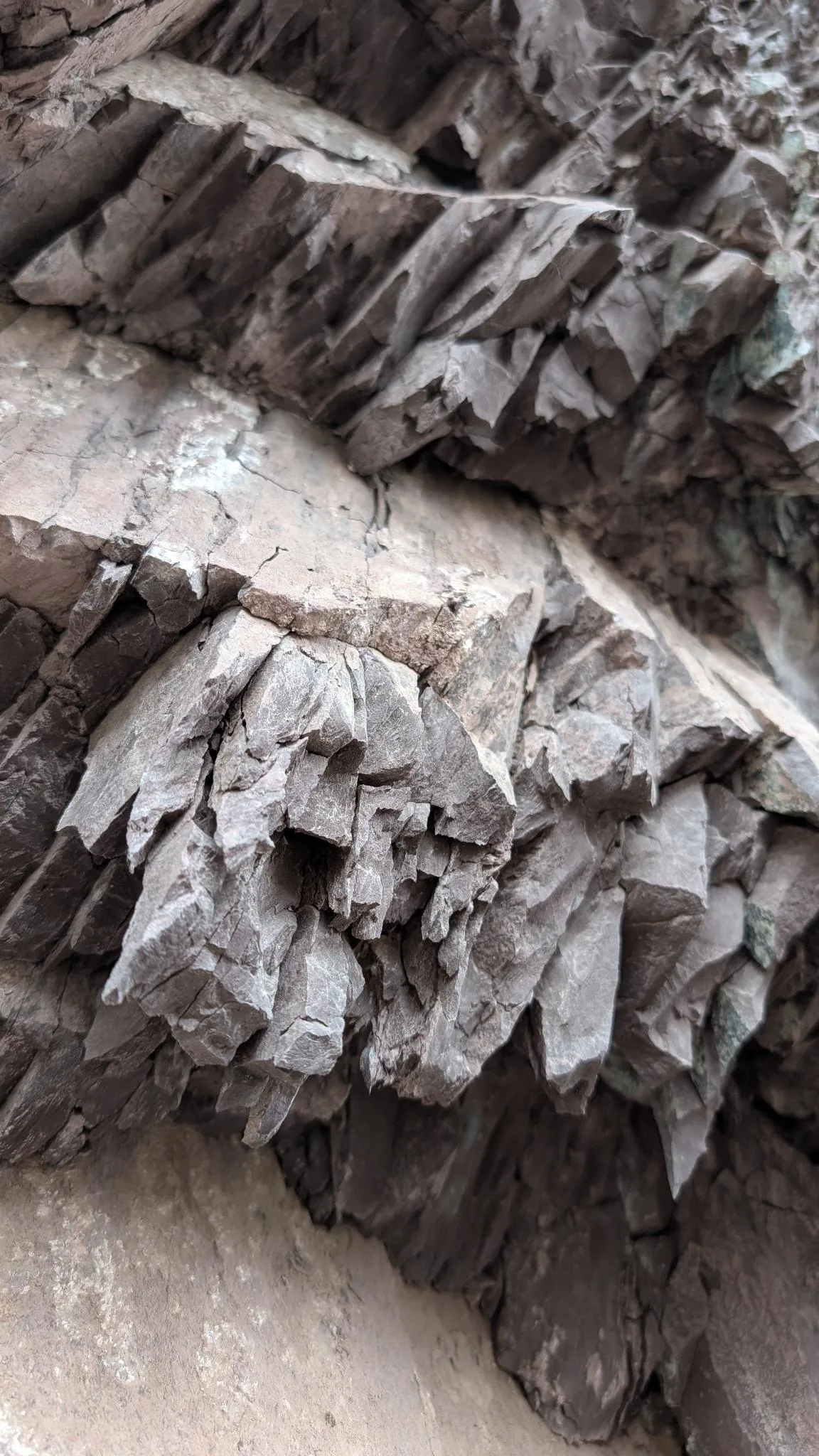
The stones fascinate me.
The roads fascinate me.
Carved straight into the mountains.
Whenever I find a place from which I could climb out of the valley quickly in case of rain, I look for a cozy spot and try to do some work.
But the moment I open the laptop...
raindrops start falling.
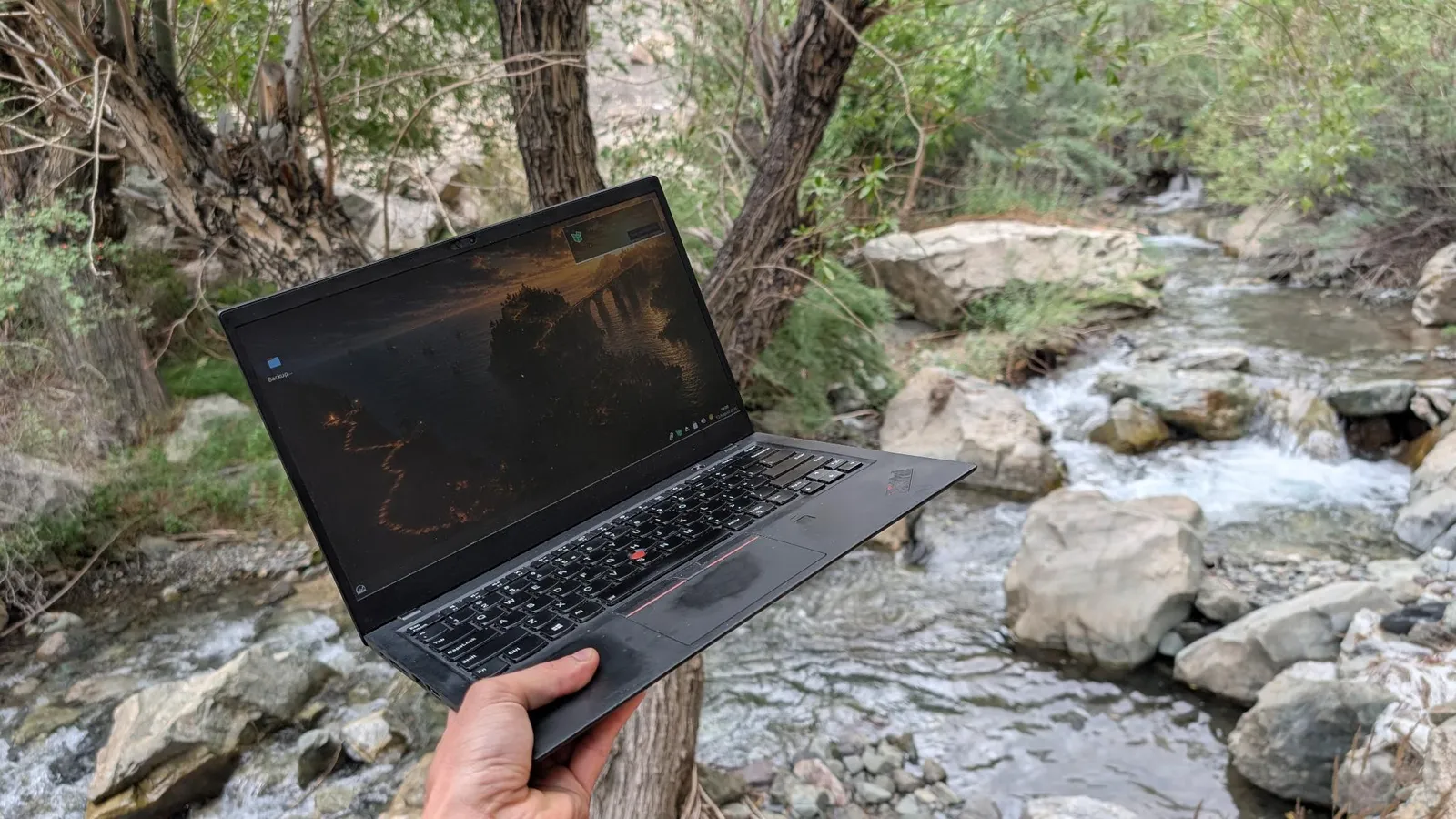
Maybe not the best idea.
Onwards.
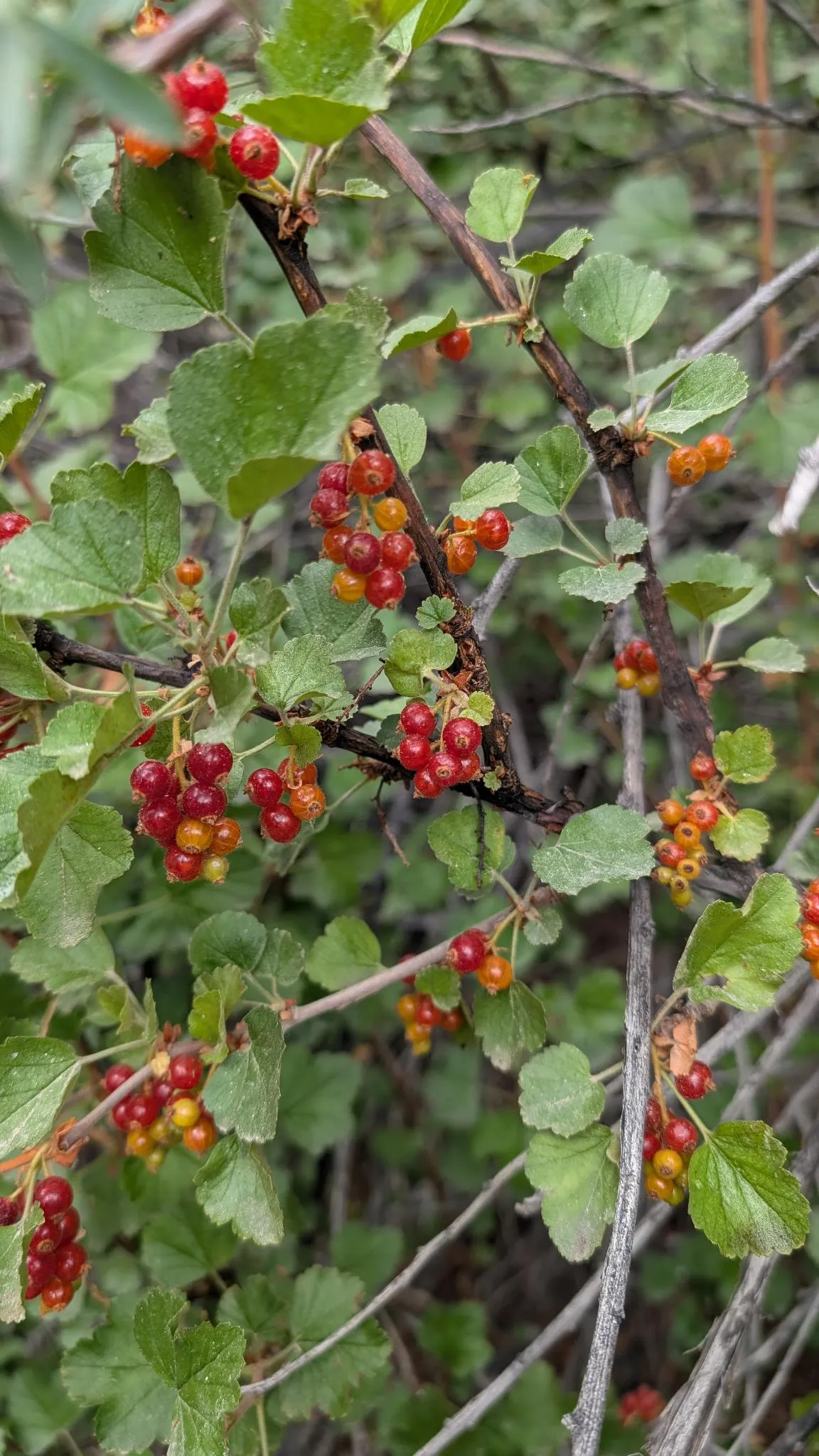
And once again, another example of the surprising similarities between vegetation in Ladakh and Germany.
Apricots.
Walnuts.
Berries.
Apples.
Pears.
And more.
Anyone trying to escape hot summers and humid climates:
Ladakh might be your place.
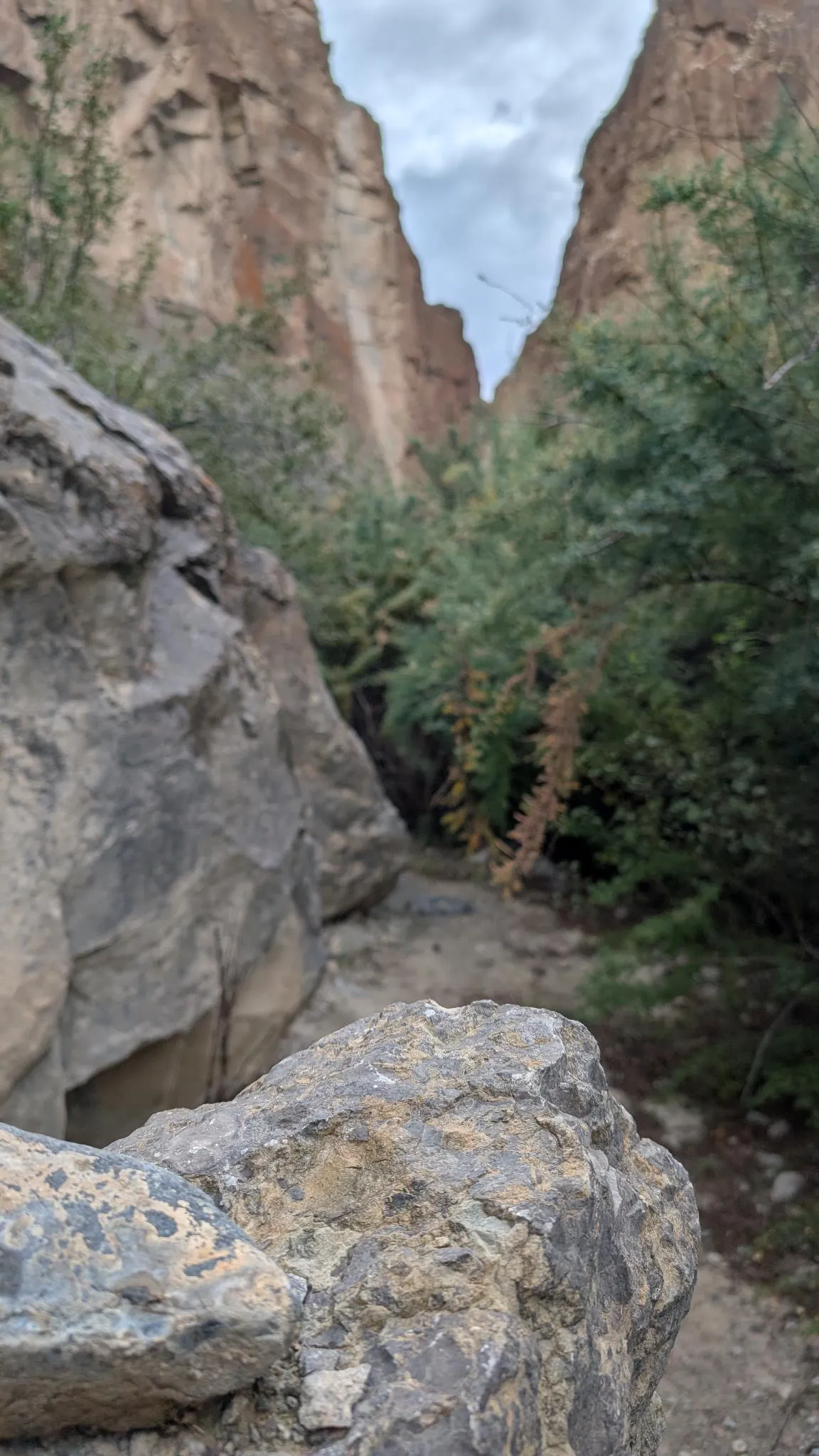
The higher I climb, the narrower the valley becomes.
Cars?
Eventually, no chance anymore.
Awesome.
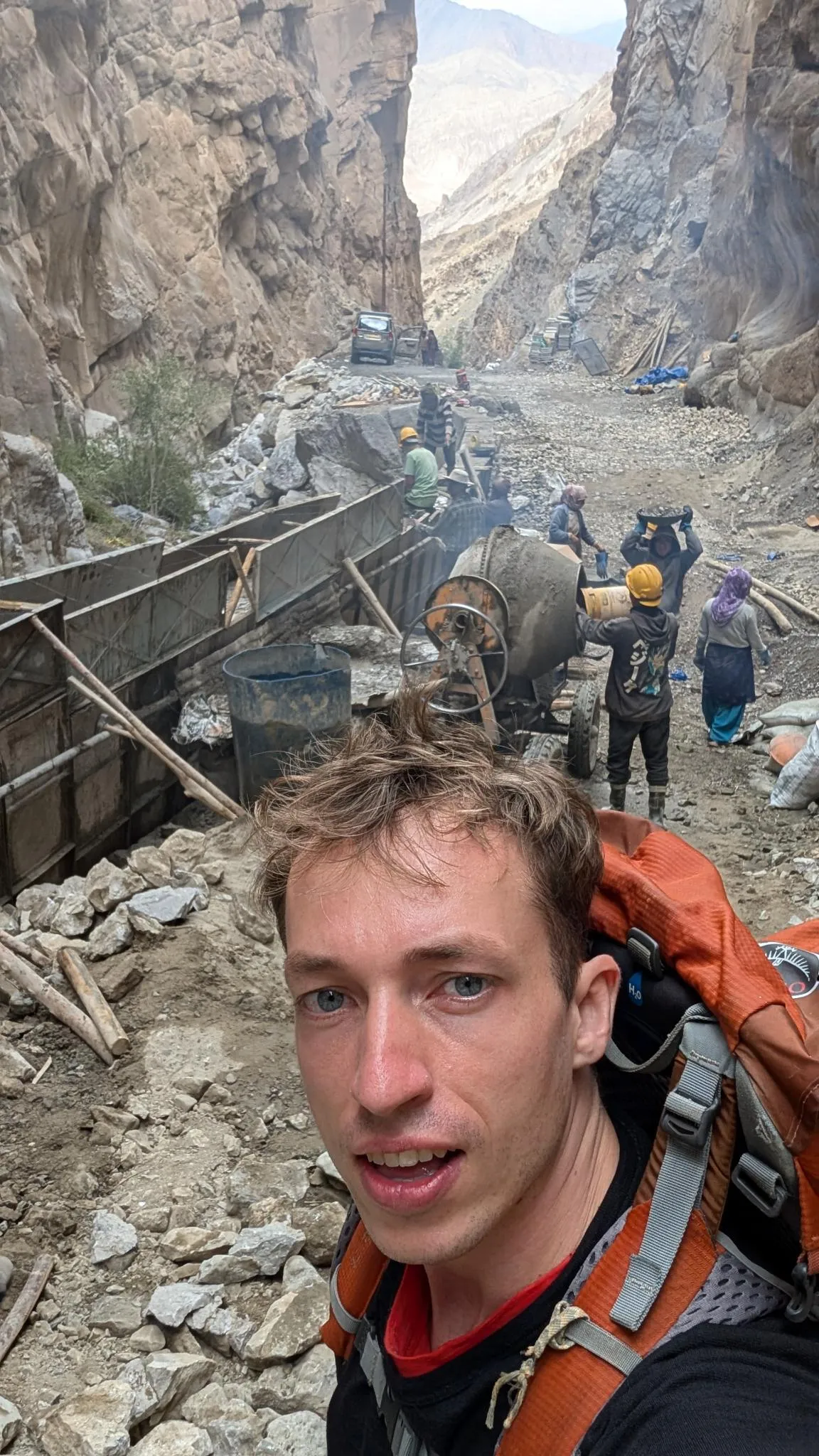
Construction workers?
Everywhere in Ladakh.
The roads do not maintain themselves.
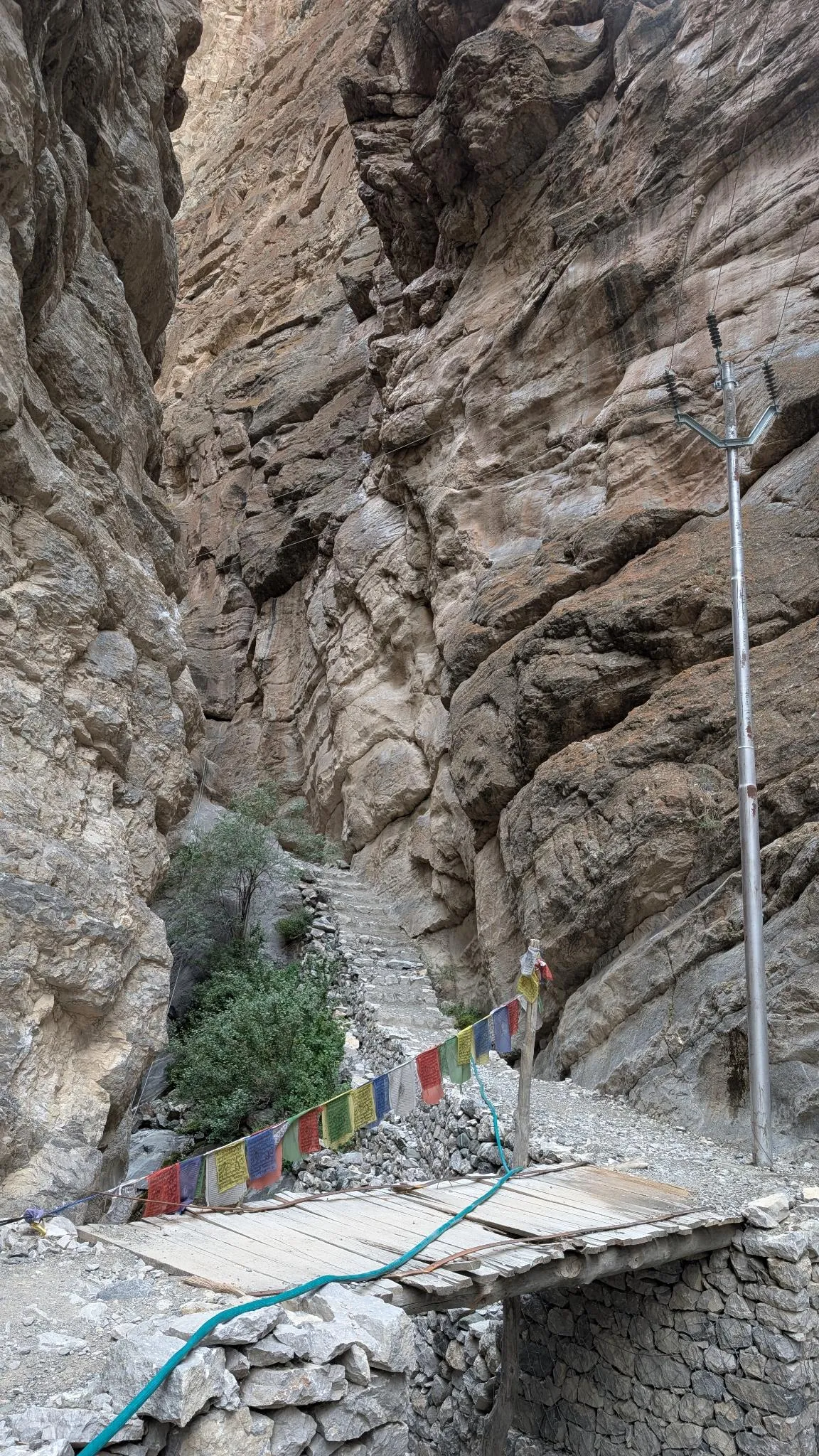
No words needed.
Just follow the stairs.
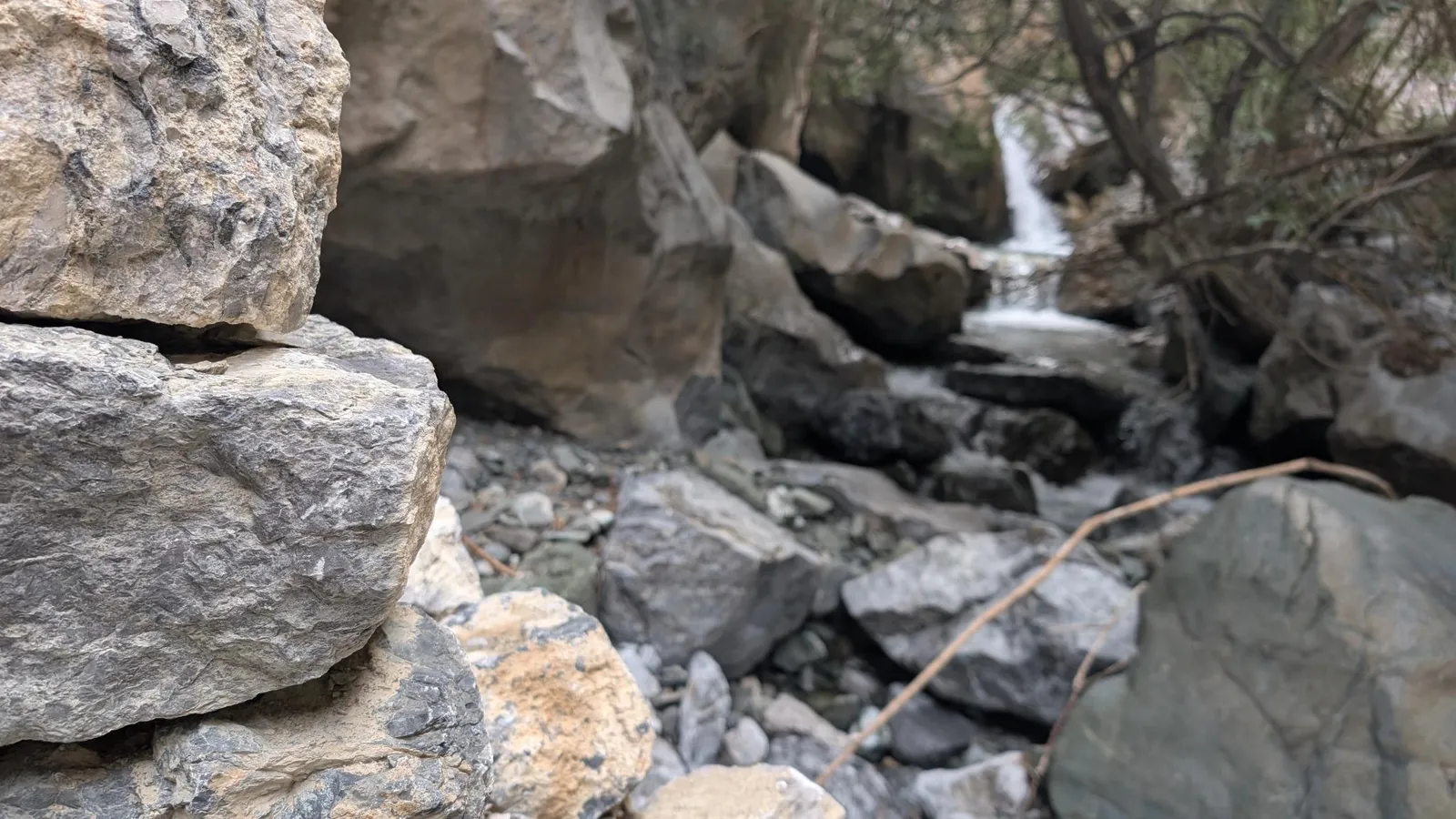
And for everyone who loves finding faces in nature:
In stones.
Trees.
Branches.
Clouds.
These natural shapes even have a name here:
Rangjons.
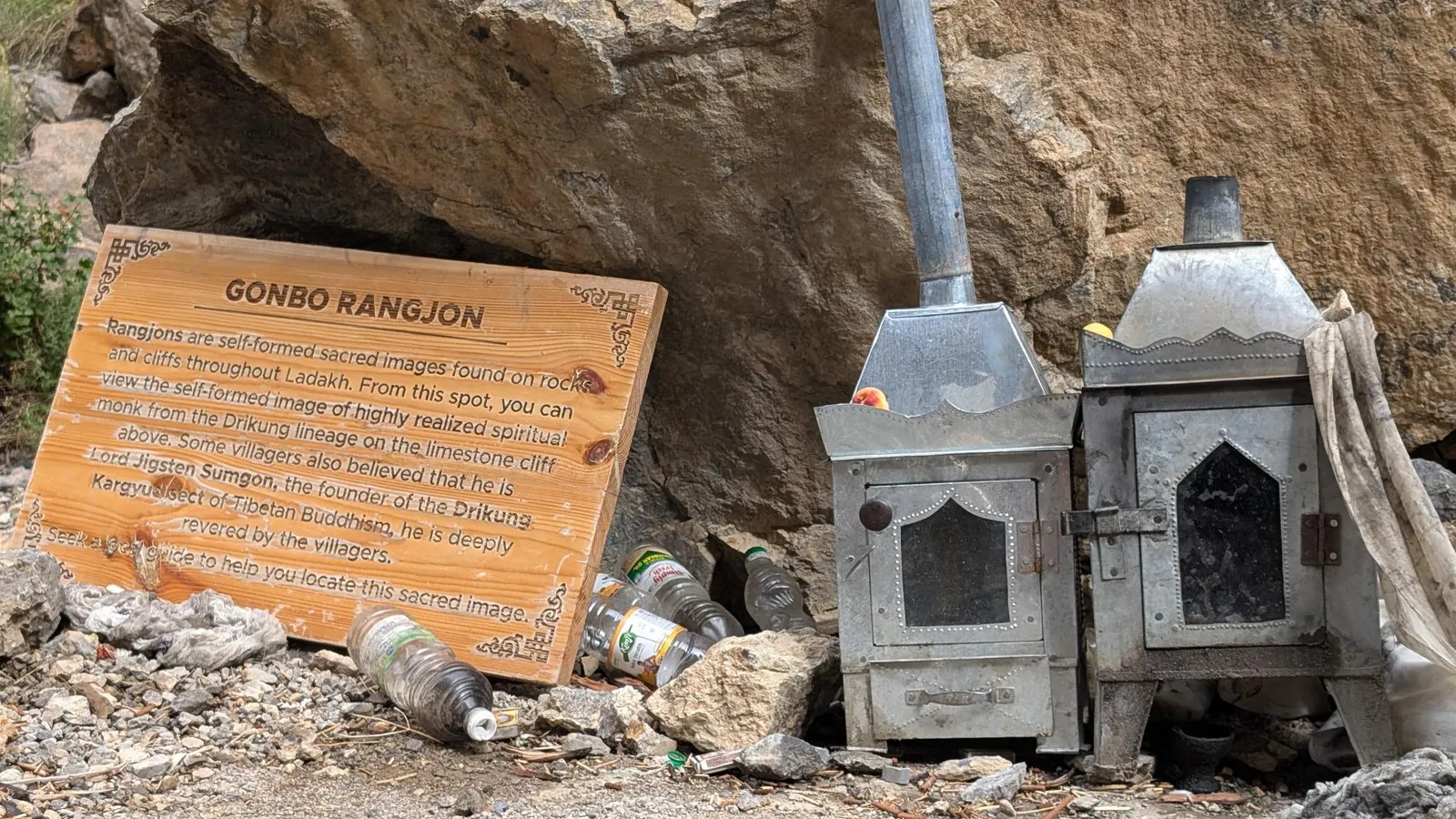
On the way up, I meet surprisingly many people coming down.
They tell me they are from Tar.
There is a prayer happening today.
Once I finally reach the village, I begin to understand what they mean.
A lot of people have gathered.
This is not an ordinary day.
It is a special one.
Almost a celebratory one.
Which surprises me at first.
More on that in a moment.
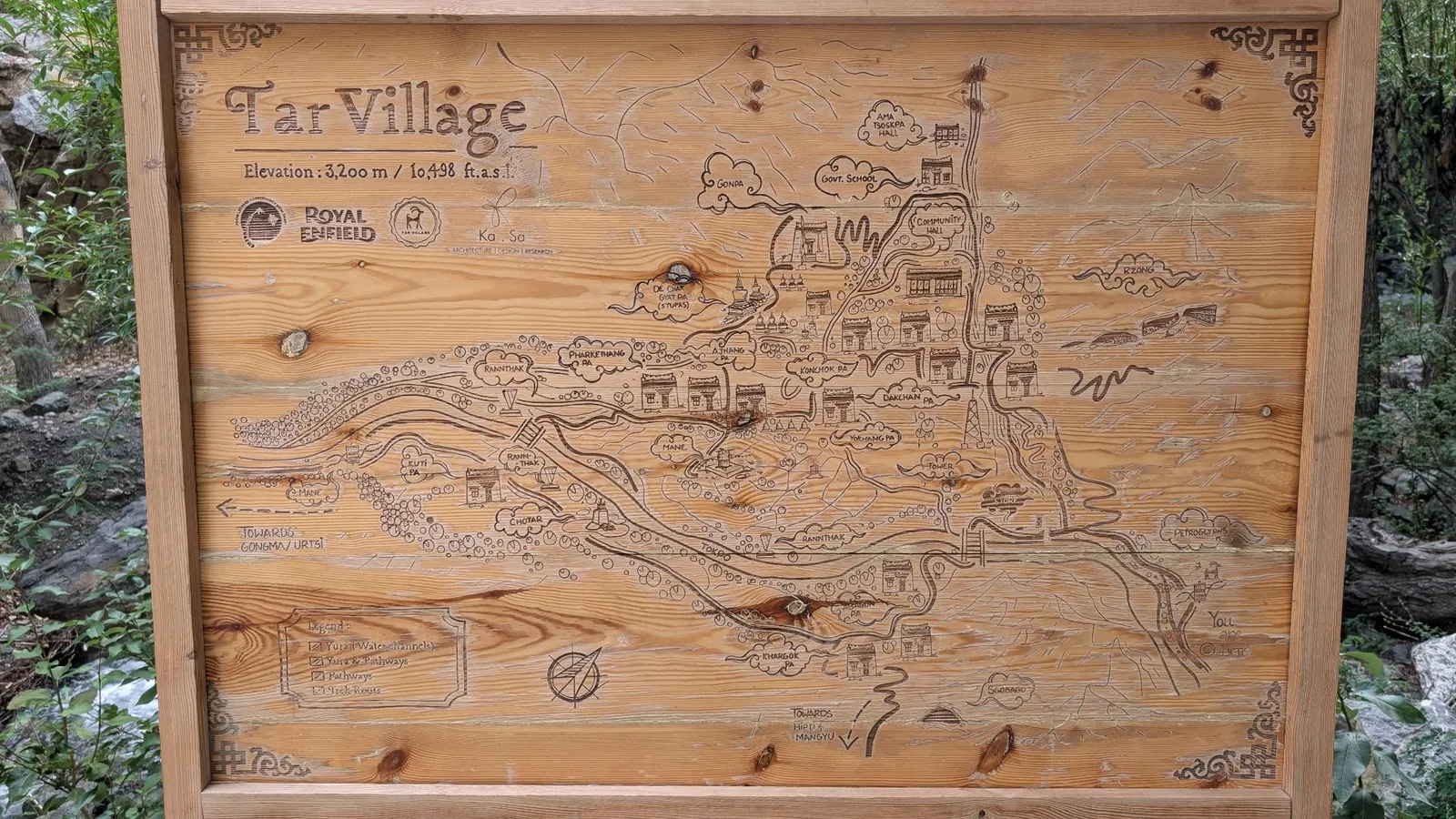
Eventually I reach the announced entrance to Tar.
A beautiful sign welcomes me.
Orientation value?
Zero.
Artistic value?
One hundred.
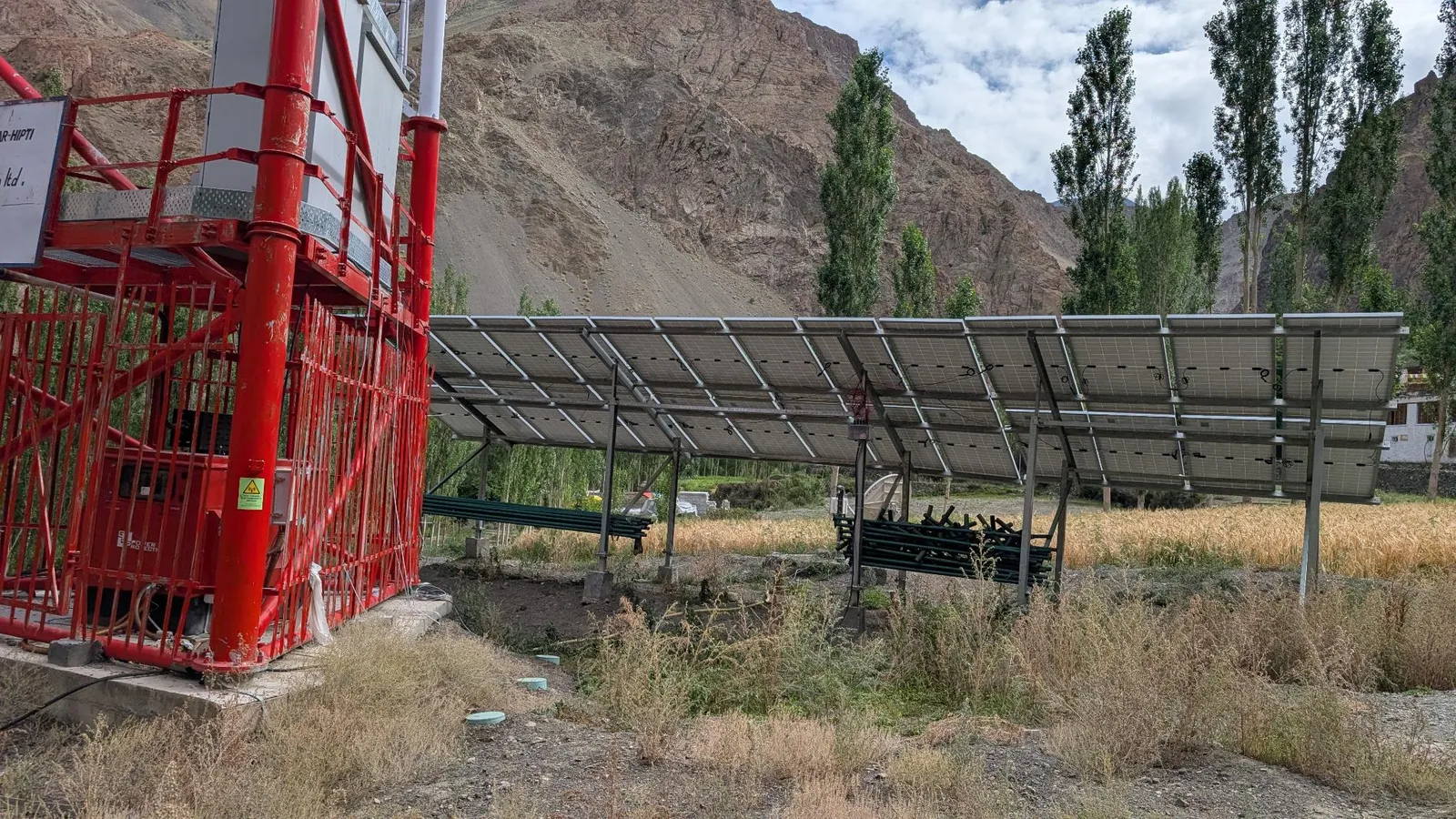
The first thing I notice afterwards is also quite interesting for such a supposedly traditional village:
Photovoltaics.
Solar panels.
A cell tower.
Apparently even the guardians of tradition do not want to give up everything modern.
Funny enough, I still have no reception there.
You gotta get the SIM from the right provider. Something you gotta experience, because people in Leh all say the one I got is better. In the city, maybe. In the mountains, you gotta know which one to get. If you need reception.
I wander around for a while.
There isn't really any official welcome.
And honestly:
At first glance, Tar does not seem dramatically different.
Not quieter.
Not necessarily more charming.
Not more “authentic” than the Skarat Pa homestay, for example.
At first, it is simply a village in the mountains.
One embedded into the valley between three enormous peaks.
Then I hear voices.
So I follow them.
I move toward the crowd.
People tell me to sit down.
They offer me butter tea.
Biscuits.
Eventually food.
And slowly I begin to understand what is happening.
Is this...
a funeral?
Kind of.
It is it's ending.
Forty-nine days have passed since an elder from the village died.
And on the 49th day, the community gathers.
Rituals continue inside the house throughout the day.
People come and go.
They eat.
They pray.
They sit together.
I am invited for lunch.
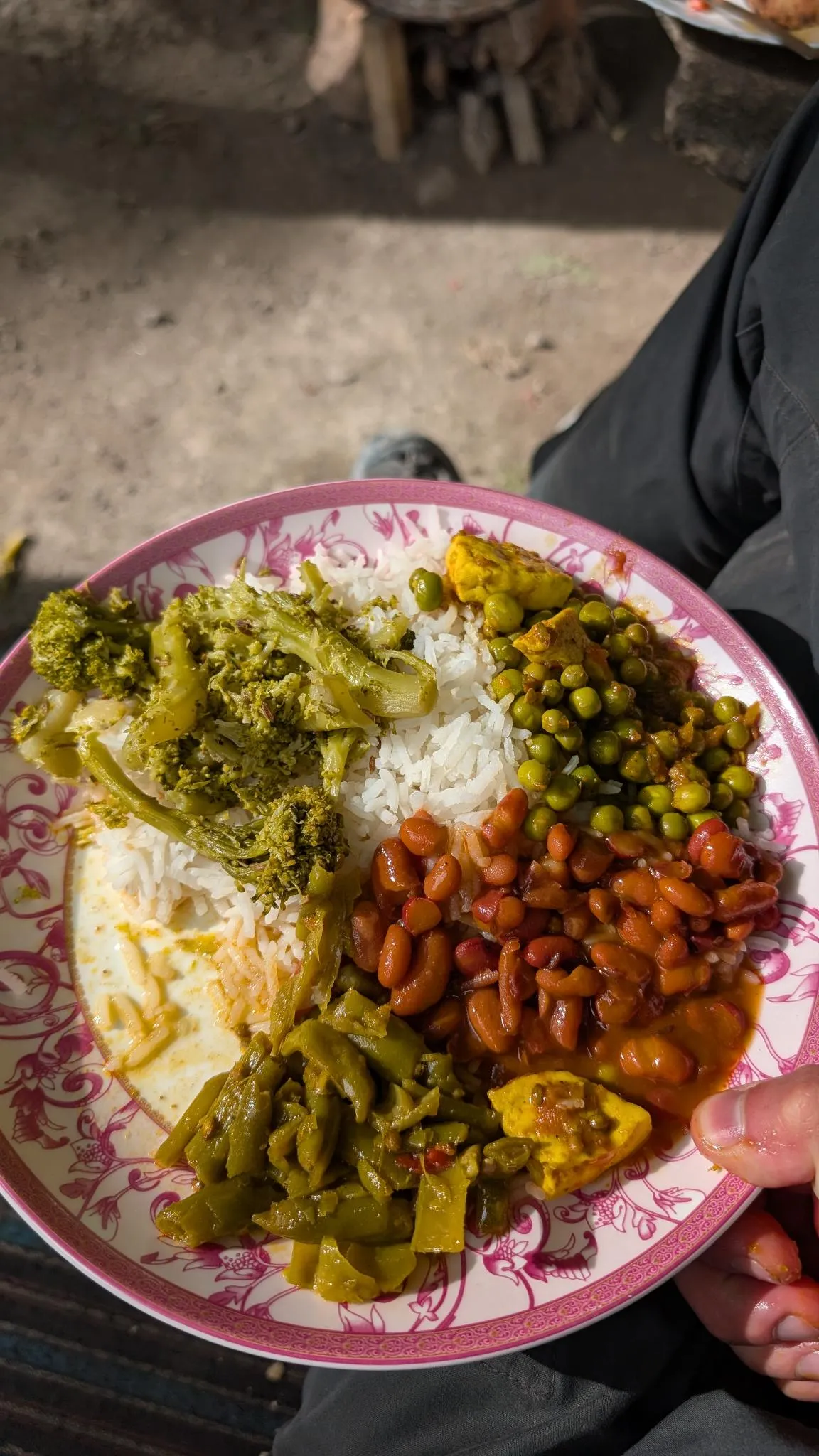
The atmosphere is fascinating.
It's colorful.
Many candles are lit.
I sit there, and try to feel with them.
Sadness rises.
After a while, the community manager sits down beside me.
The ideal time to share my condolences with them.
"I'm sorry for your loss."
He looks me into the eyes and asks:
"Sorry? Why sorry? Isn't this also something nice?"
"How? Please tell me more."
"Her old body made things very hard for her, didn't it? Isn't it time for a new one?"
And actually the colors start making sense.
It is not a black-and-white world of mourning.
Many wear traditional clothing.
Colors.
Life.
Almost something celebratory.
From a Buddhist perspective, death is not the end.
It's the submission date of the recommendation letter for the next life.
The actions of this life shape what comes next.
Someone who has lived well may hope for a favorable rebirth.
And apparently, that is the trust people here carry.
Maybe you can compare it a little to graduating from university.
One chapter ends.
Another begins.
And perhaps that idea fits especially well among people whose lives are so closely connected to nature.
Because in nature, I don't really see endings.
Only transformations.
To sum it up as per the locals:
Her life didn't end. She just moves into a new body.
Beautiful.
How Tar makes money
We switch topics.
He explains the idea behind Tar.
The village faced a problem that many remote places face.
Young people move to cities.
No jobs.
Little income.
Hardly any future.
And eventually, when the people leave, the culture leaves with them.
Tar came up with an interesting answer.
Why abandon the local way of life?
Why not turn exactly that into something valuable?
Why not invite outsiders to experience it?
The idea is basically:
Let's not simply try to become like the cities.
Okay.
We'll keep the internet, hot water and electricity.
But much of the rest?
Let's preserve it.
And let's show people what this life is like.
The traditional lifestyle itself becomes a source of income.
Actually, pretty clever.
And clearly, it works.
I pay more here.
And materially speaking, I get less.
But that is, in a way, exactly the product.
There are fifteen houses in total.
Around eighty people live here.
Visitors cannot choose which house they stay in.
Guests are distributed according to a rotation system.
Every family gets its turn.
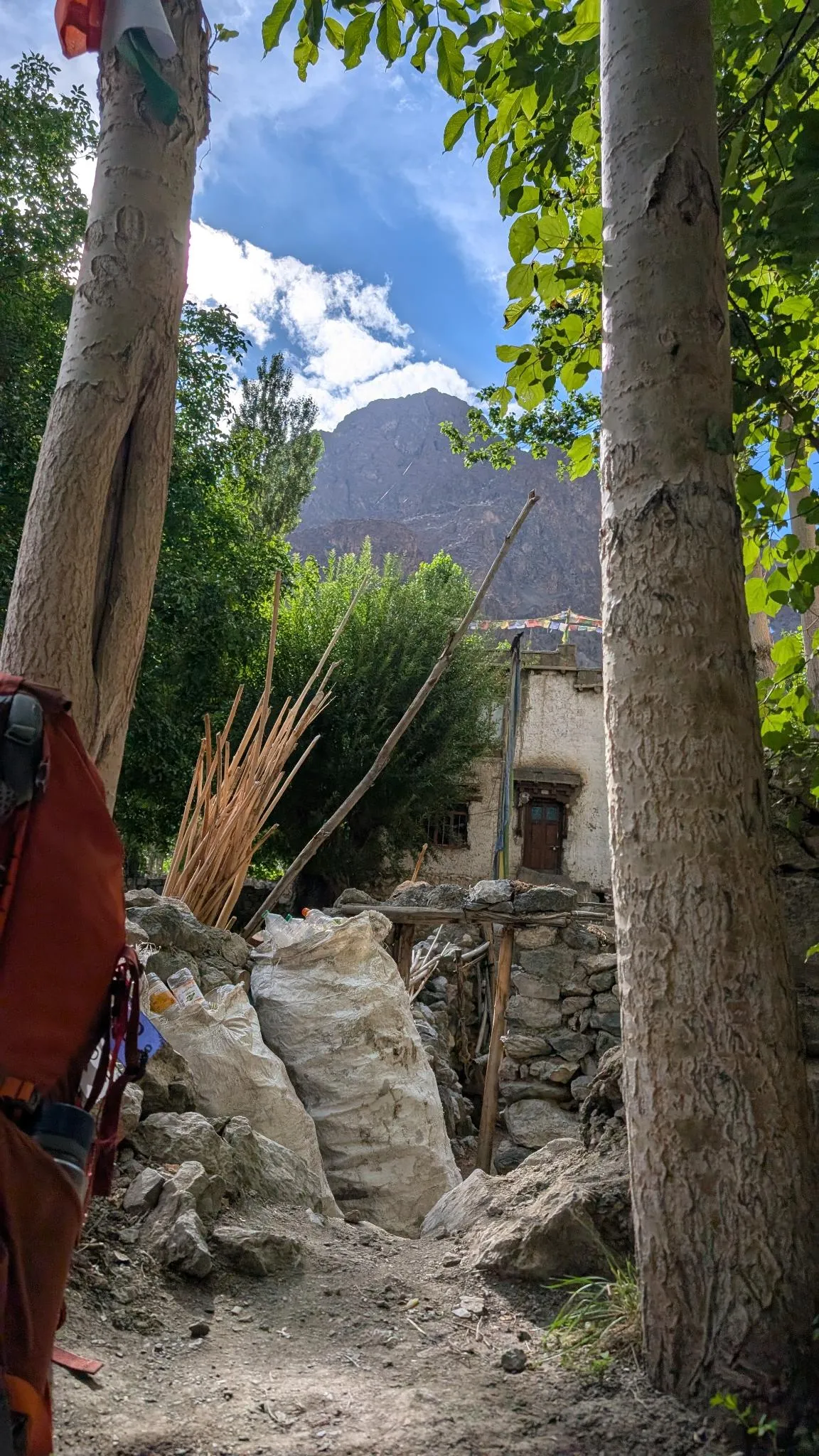
And just like that, I am assigned a homestay.
Not all houses are the same.
Later, I see pictures of some others and realize:
I did not draw the most luxurious option.
My host is not very mobile anymore.
She is in pain.
And I get the feeling that many things have simply become too exhausting for her.
At the same time, her home gives me perhaps the clearest sense of what “local lifestyle” actually means.
And that is, after all, what people come here for.
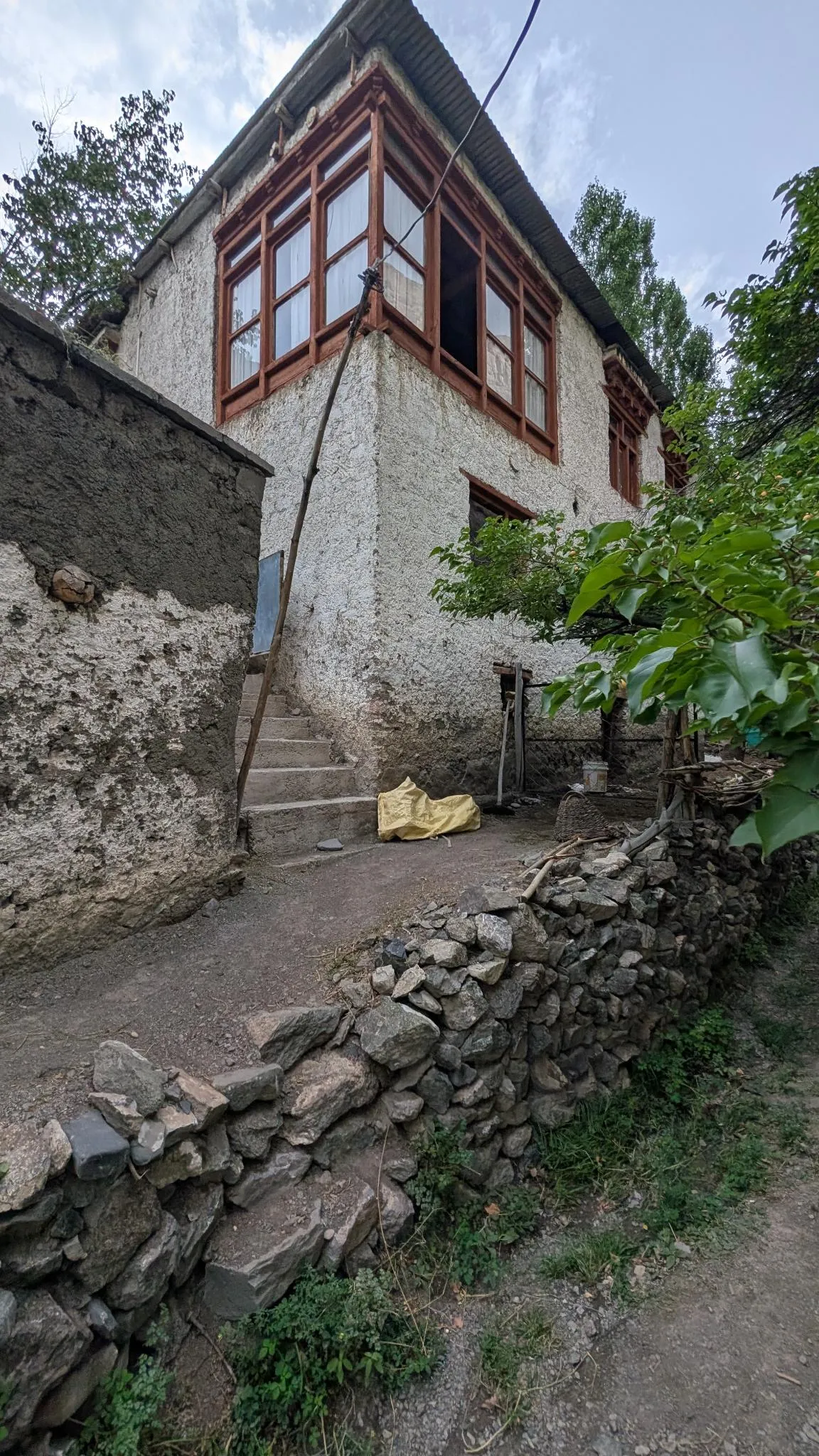
The dining room looks relatively normal at first.
You might notice the chimney pipe on the right.
Many ceilings here have openings for those pipes.
In winter, temperatures regularly drop to around minus 30 degrees Celsius.
Then everything gets sealed up as tightly as possible.
And heated.
There is simply no other way.
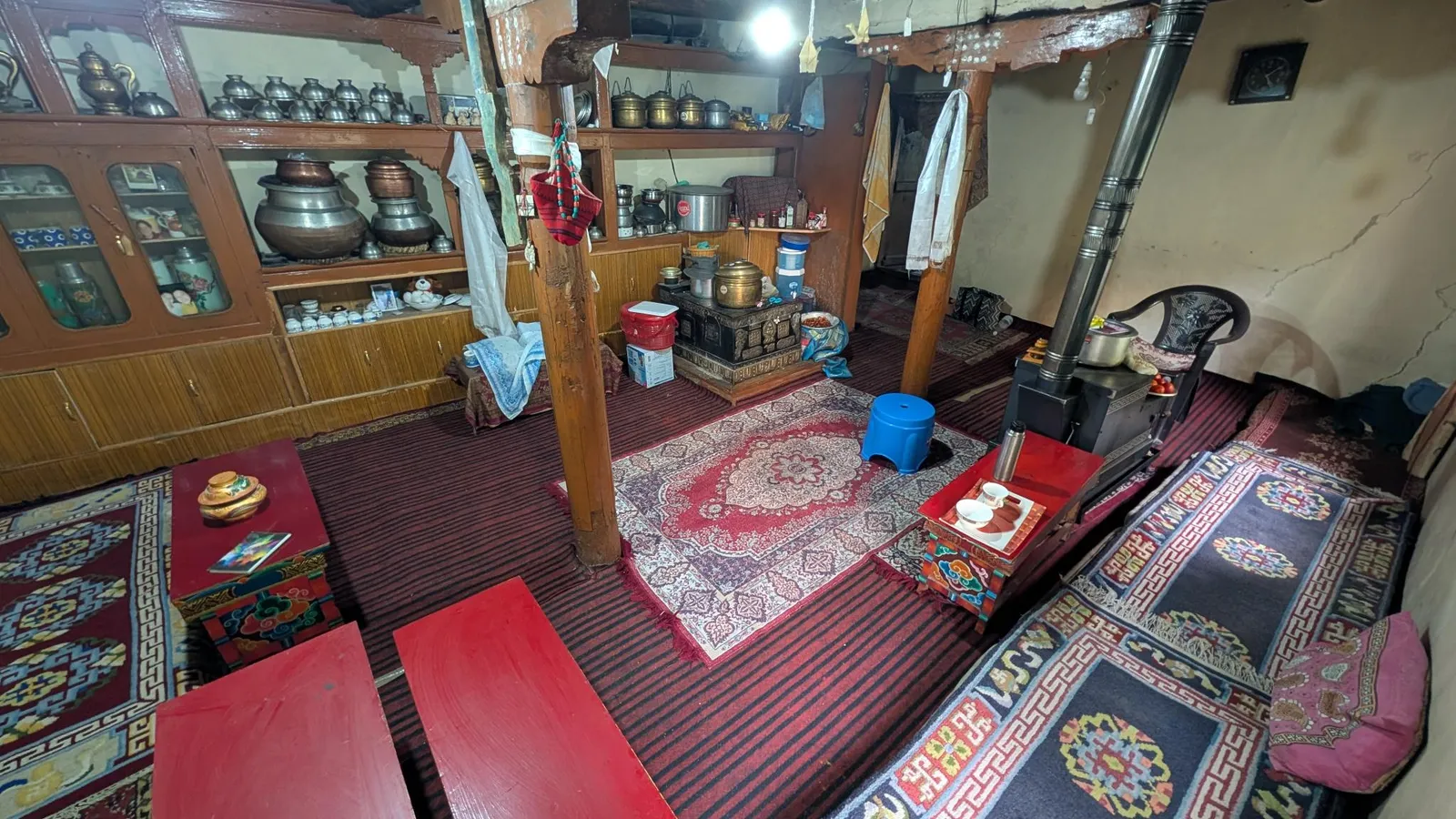
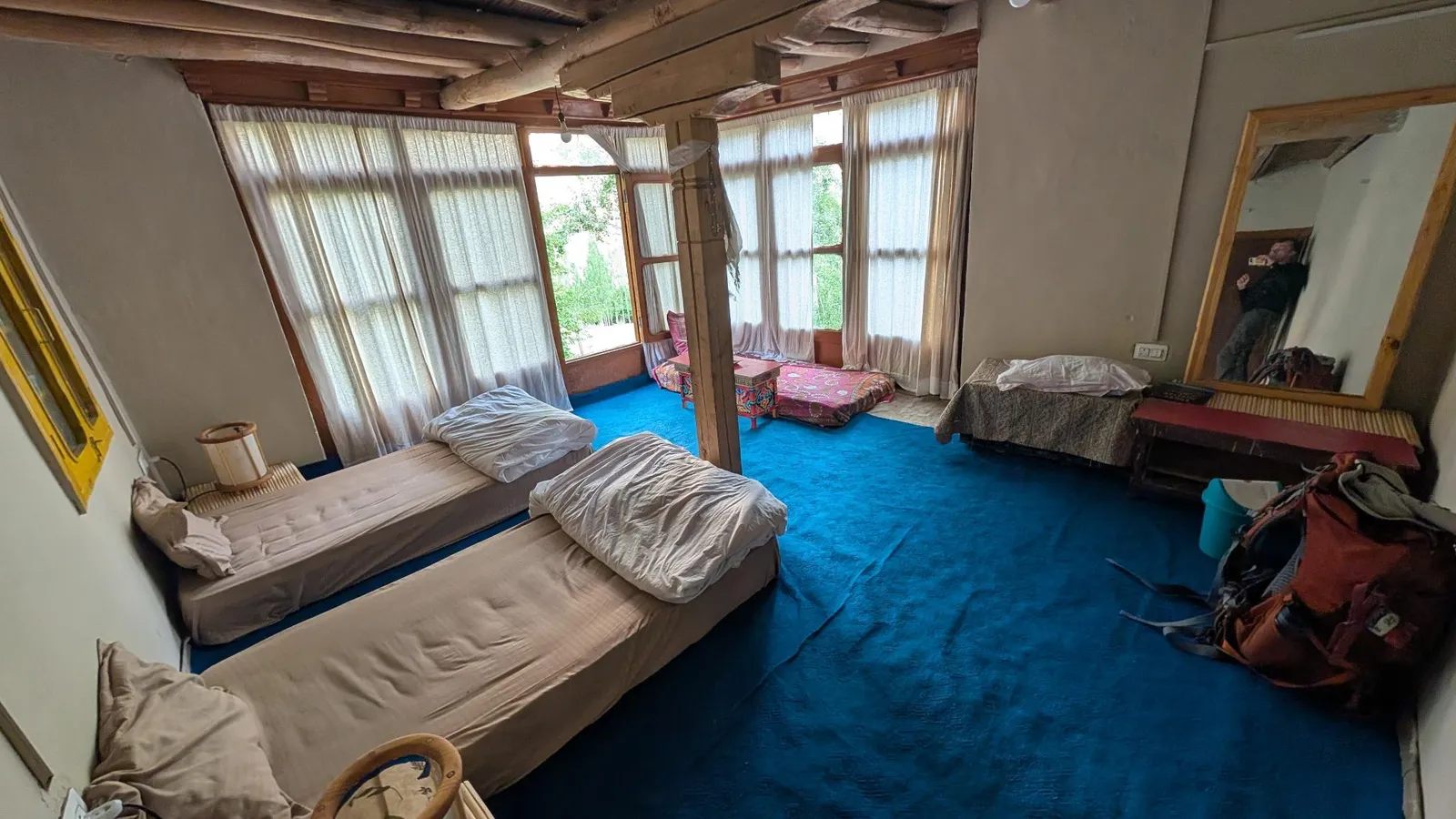
Then we go upstairs.
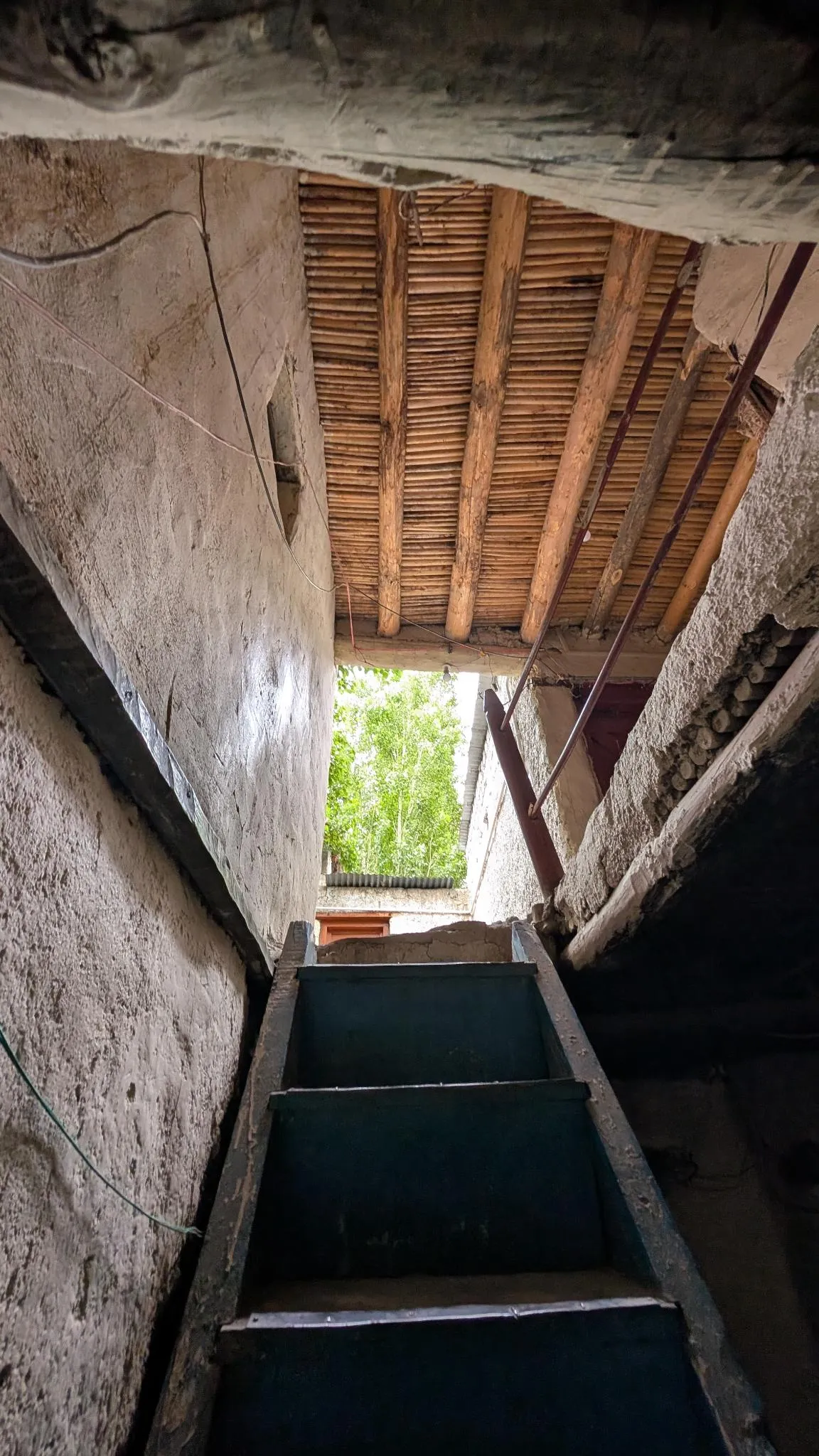
My room is beautiful.
Although later I see photos of some that are even more impressive.
“Local” is an especially fitting word for the washroom and toilet.
I love this picture.
Left:
Toilet.
Right:
Washroom.
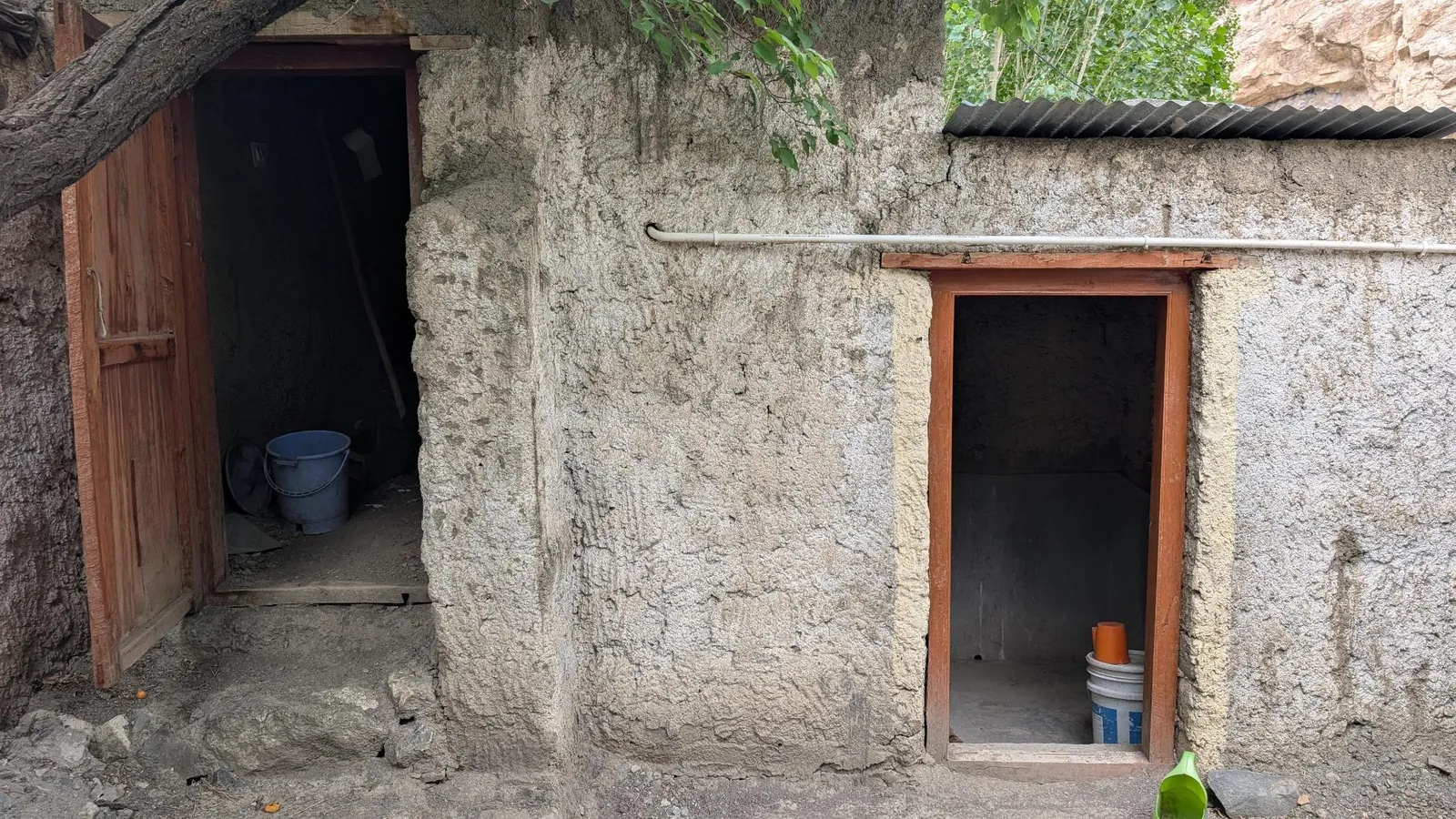
Running water?
Nope.
Hot water?
Nopilinope.
Jun should have seen this.
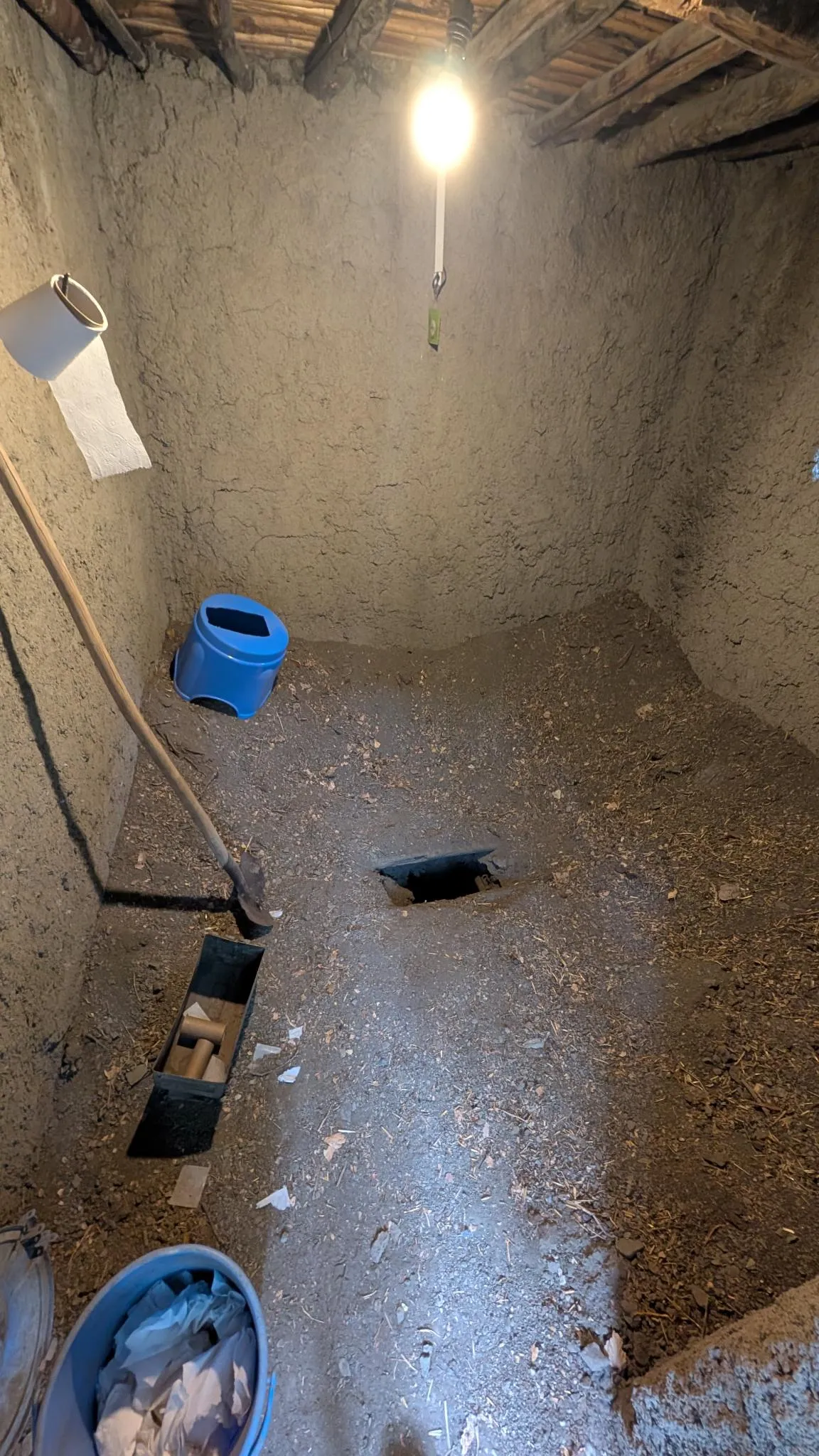
The more modern local toilets I have come across by now look like a five-star hotel compared to this.
Personally, though, I find the system charming.
And it is actually quite smart.
Because once everything is done, fertile soil is the result.
Still, allow me one honest question:
Did our older generation in Germany grow up similar to this?
It reminds me a little of Taiwan.
There, I was surprised to see bins beside many toilets for used toilet paper.
The sewage system can clog, so toilet paper is not always flushed.
For such a technologically advanced country, that surprised me at the time.
Here, the basic idea is similar.
Just...
let's say:
a little more rustic.
And surprisingly, the smell is actually quite manageable.
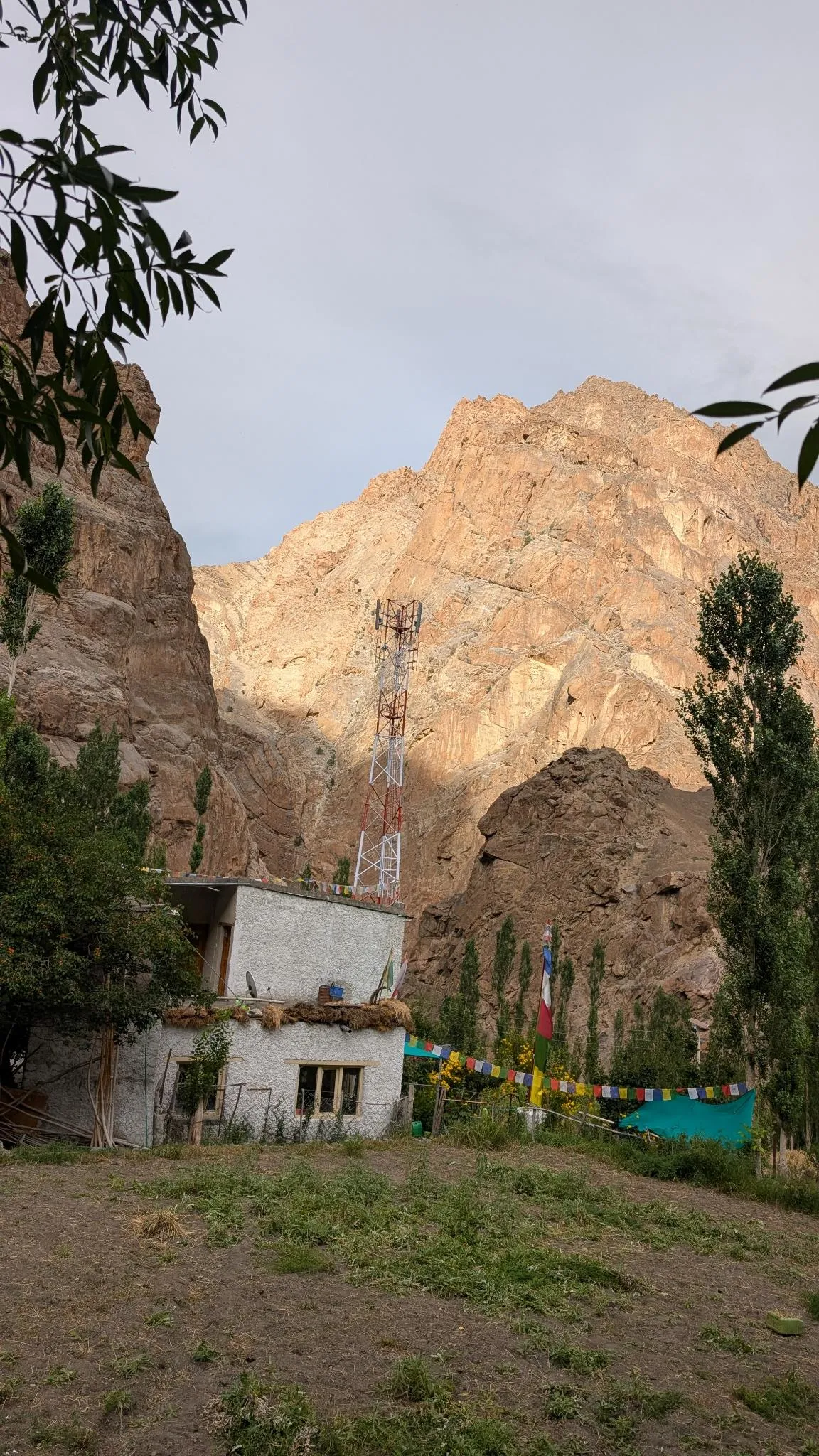
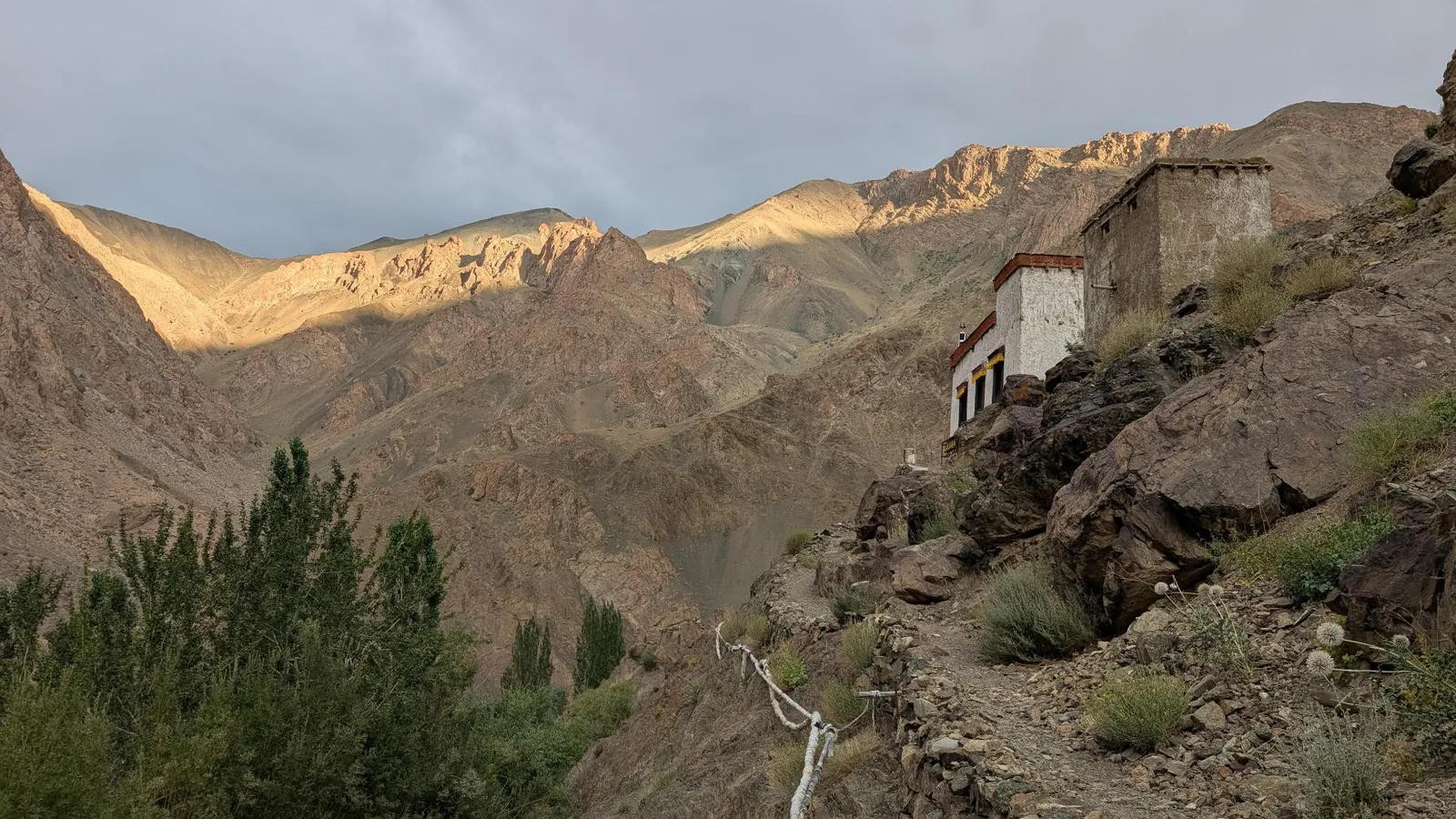
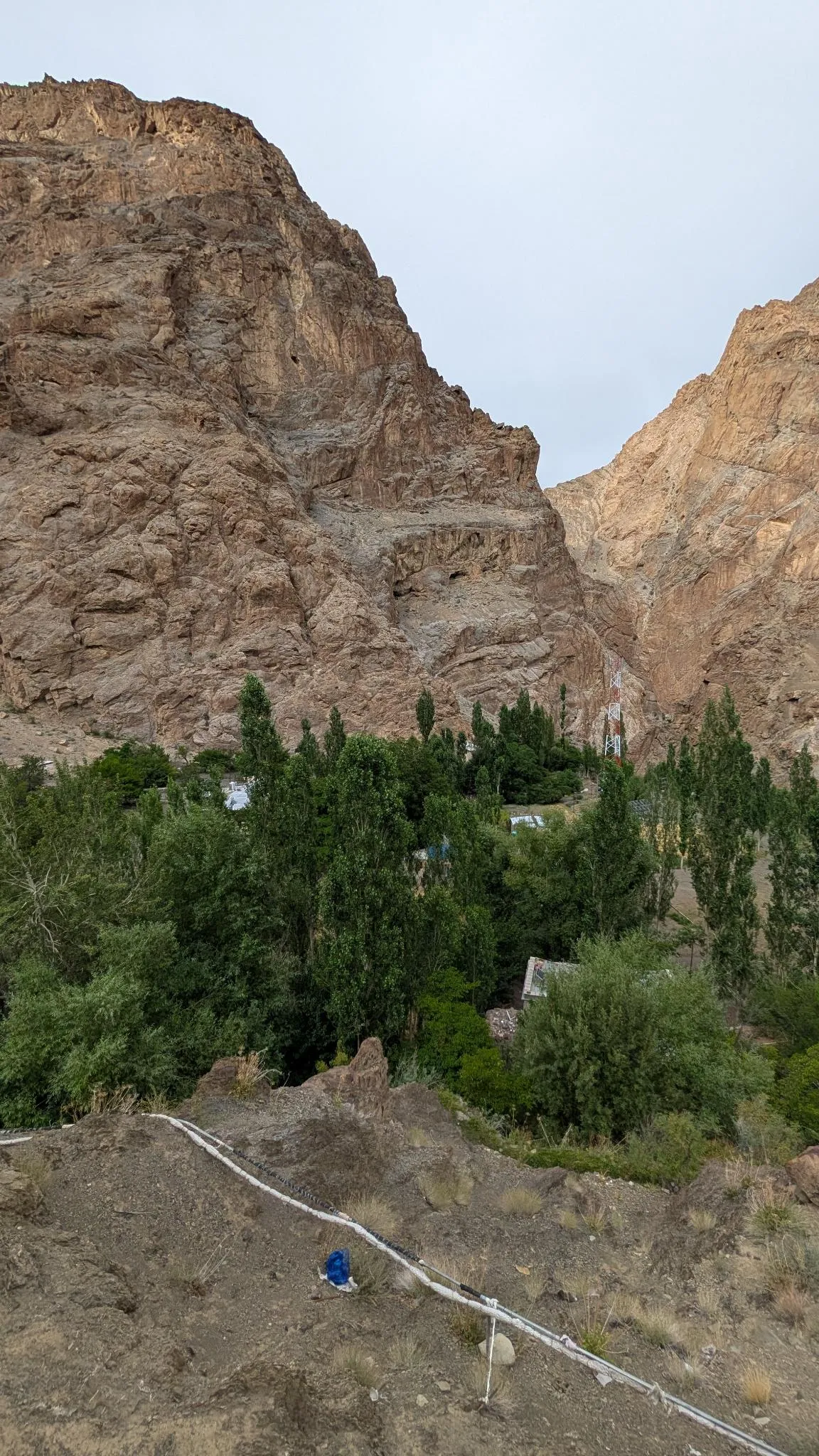
Afterwards, I explore the area a little more and try to climb to the highest point of the village.
Honestly?
It's nice if you do the touristy stuff, but nothing particularly special when you hike through the mountains.
Dinner is delicious again.
The food here specializes in dishes meant to warm and strengthen the body.
And while sitting there, the whole situation suddenly feels a little crazy.
I am sharing a room and a meal with people who were complete strangers only a few hours ago.
And yet somehow, connection forms.
Comfort.
Relaxation.
Peace.
Not for the first time.
Not for the tenth time.
But over and over again.
Probably hundreds of times by now on this journey.
And I ask myself:
How much have I actually learned from that?
How much calmer have I become?
How much have I learned about connecting with other people?
And then another question:
How many people would even dare to do something like this?
Just go.
Arrive at a stranger's home.
Eat with them.
Sleep under their roof.
Witness their rituals.
Share their life for a brief moment.
Is that brave?
Is it unusual?
Or does it simply feel normal to me now because I have done it so many times?
Maybe that is one of the things travel eventually changes.
Not only what we think about other people.
But what we ourselves consider possible.
Not that we draw borders.
But that we transcend them.
Before going to bed, we agree:
Tomorrow, I will leave around eleven.
And so my day in India's “best tourism village” does not end with a major sight.
Not with some spectacular viewpoint.
Not with a perfectly staged image of tradition.
But with something far simpler.
I am sitting in a stranger's home.
Among people who were strangers.
And it no longer feels strange.
Good night!